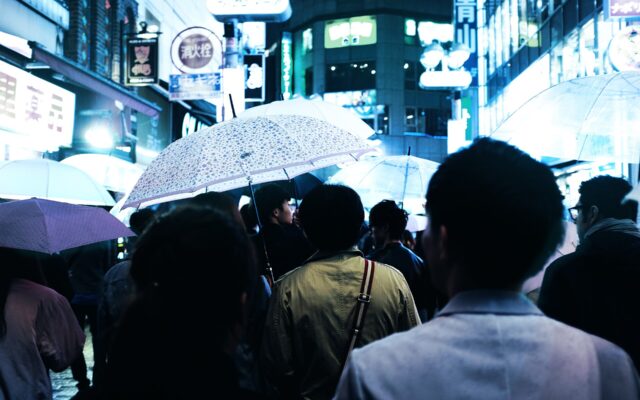
You walk into a busy restaurant and immediately notice the clattering plates, the too-bright lights and the couple arguing quietly two tables over. Your friends seem fine. You want to leave before the appetizers arrive.
If that sounds like you, you may have spotted some highly sensitive person signs in yourself. “Highly sensitive person,” or HSP, is a popular name for a personality trait researchers call sensory processing sensitivity. It’s not a disorder or a flaw. It’s a different way of taking in the world, with real upsides and real challenges.
Here’s what the trait is, how to recognize it and how to make life a little easier if it fits you.
What is a highly sensitive person?
Psychologist Elaine Aron and her colleagues popularized the term in the 1990s. The research name, sensory processing sensitivity, describes a tendency to notice more, think more deeply about what you notice and respond more strongly.
A 2022 study in Scientific Reports describes it as a personality trait linked to high sensitivity to environmental and social stimuli, and notes that it has been assumed that about 15–20% of people could be described as highly sensitive. So if you’re an HSP, you’re far from alone.
Aron often sums up the trait with the acronym DOES:
- D – Depth of processing: You think things through thoroughly before acting.
- O – Overstimulation: Because you take in so much, busy environments tire you out faster.
- E – Emotional reactivity and empathy: You feel your own and others’ emotions strongly.
- S – Sensitivity to subtleties: You pick up on small details others miss.
15 highly sensitive person signs
No single sign makes you an HSP, and almost everyone relates to a few. It’s the overall pattern that matters. See how many of these feel familiar:
- Loud noises, strong smells, scratchy fabrics or bright lights bother you more than they seem to bother others.
- After a busy day, you need to retreat to a quiet, dim room to recover.
- You notice small changes, like a new haircut or a shift in someone’s tone of voice.
- Violent or upsetting movies and news stay with you for days.
- You’re deeply moved by music, art or nature, sometimes to tears.
- You feel rushed and rattled when you have too much to do in too little time.
- You can sense when someone is upset before they say anything.
- Being watched while you work, like during a test or a performance review, makes you perform worse.
- You get “hangry” or frazzled quickly when you’re hungry or tired.
- You think carefully before making decisions, even small ones.
- Caffeine or medications sometimes affect you more strongly than they affect others.
- You were described as “sensitive” or “shy” as a kid.
- You avoid situations you know will be overwhelming, like crowded festivals or chaotic offices.
- Criticism stings for a long time, even when it’s gentle.
- You have a rich, complex inner life full of reflection and imagination.
If ten or more ring true, the HSP description may be useful for you. Keep in mind that this list is a reflection tool, not a test, and no online checklist can tell you for sure. Our guide to whether personality quizzes are accurate explains why.
HSP vs. introvert vs. other things it gets confused with
High sensitivity overlaps with several other ideas, which is why people mix them up. Here’s how they differ.
| Concept | What it’s mainly about | Key difference from HSP |
|---|---|---|
| Highly sensitive person | Depth of processing and reactivity to stimuli | — |
| Introversion | Social energy; preferring less social stimulation | Some HSPs are extroverts who love people but get overwhelmed by noise and chaos |
| Neuroticism (Big Five) | Tendency toward negative emotions like worry | HSPs also feel positive experiences intensely; sensitivity isn’t only negative |
| Social anxiety | Fear of judgment in social situations | Anxiety involves fear; sensitivity is about intensity of input |
| Sensory processing differences linked to clinical conditions | Can be part of conditions assessed by professionals | HSP is a normal personality variation, not a diagnosis |
If you want to dig into the social-energy side, read our breakdown of introvert vs. extrovert vs. ambivert. For the emotional side, the Big Five personality traits article explains neuroticism in more depth.
The strengths of being highly sensitive
HSPs often hear “You’re too sensitive” so many times that they forget the trait has upsides. Here are some of the most common ones:
- Empathy: You often know what people need before they ask, which makes you a caring friend, partner and colleague.
- Attention to detail: You catch errors, risks and opportunities others overlook.
- Thoughtful decisions: Your tendency to process deeply can lead to careful, well-considered choices.
- Creativity and appreciation: Art, music, food and nature can feel especially vivid and meaningful.
- Conscientiousness: Many HSPs care deeply about doing things well and not letting people down.
There’s also an interesting research angle. A 2025 editorial in Frontiers in Psychology describes sensory processing sensitivity as a trait that shapes how responsive people are to their environment, citing studies where sensitive individuals did better in supportive settings and worse in harsh ones. In other words, environment matters a lot, and that’s something you can often shape.
The struggles (and why they happen)
- Overwhelm: Open offices, packed schedules and crowded events can leave you exhausted and irritable.
- Taking on others’ emotions: A tense meeting or a friend’s bad news can sit with you all day.
- Harsh self-criticism: Feedback can feel bigger than it is, and you may replay it for days.
- Decision fatigue: Thinking deeply about everything is tiring when there are a hundred small choices to make.
- Feeling misunderstood: In a culture that rewards “toughing it out,” needing quiet can feel like a weakness. It isn’t.

Practical ways to thrive as an HSP
Shape your environment
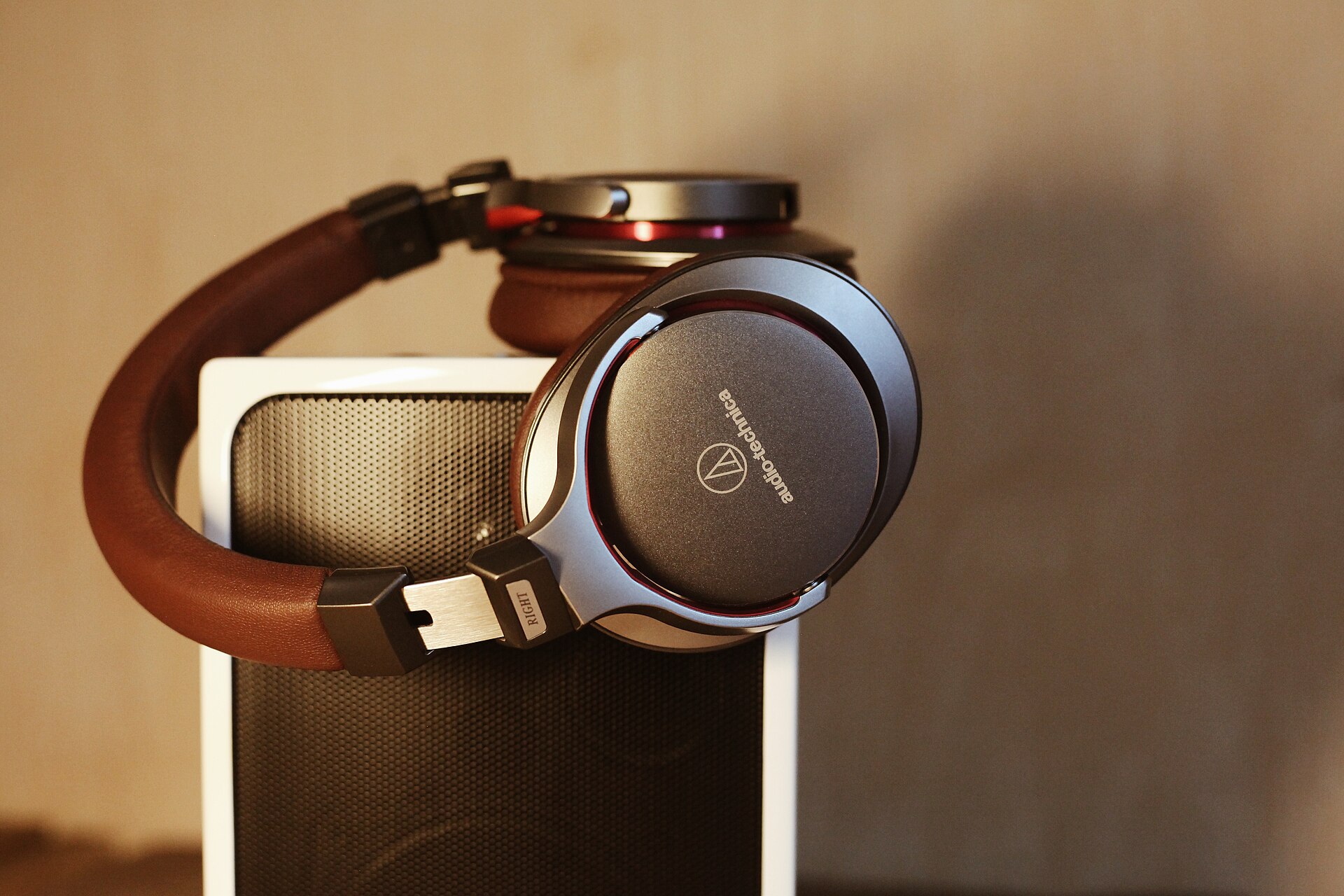
- Keep noise-canceling headphones or earplugs handy for commutes and open offices.
- Use warm, dimmable lighting at home in the evenings.
- Create a “calm corner” with a comfy chair, a blanket and no screens.
- Choose restaurant tables away from the kitchen and speakers.
Protect your schedule
- Leave buffer time between appointments instead of stacking them.
- Plan one quiet day after a big event, trip or busy week.
- Prep the night before to avoid chaotic mornings.
- Eat regular meals and protect your sleep; both affect how much you can handle.
Manage emotional input
- Limit doomscrolling and choose specific times to check the news.
- Ask yourself, “Is this feeling mine, or am I picking it up from someone else?”
- Write things down. Journaling helps deep processors untangle busy thoughts.
- Spend time in nature. Many HSPs find green spaces calming and restorative.
At work and in relationships
Explain your needs in practical terms, not labels: “I do my best work with a few hours of focus time” works better than “I’m an HSP.” If you’re weighing career options, our list of the best jobs for introverts highlights calmer roles that many sensitive people enjoy too.
In relationships, share what overwhelms you before you’re overwhelmed. A partner who knows you need 20 quiet minutes after work won’t take it personally when you disappear into the bedroom.
FAQ
Is being a highly sensitive person a mental illness?
No. Researchers describe sensory processing sensitivity as a normal personality trait, not a disorder. That said, HSPs can experience anxiety or depression like anyone else, and support is available if you need it.
Can men be highly sensitive?
Yes. The trait appears in people of every gender. Men may hide it more because of cultural expectations, but sensitivity isn’t tied to gender.
Can you stop being highly sensitive?
The underlying trait seems to be fairly stable, but you can learn to manage overwhelm, set boundaries and build a life that plays to your strengths. Many HSPs say that understanding the trait is the turning point.
Are all HSPs introverts?
No. Many are, but some highly sensitive people are extroverts who love socializing and still get overwhelmed by noise, chaos or too many plans in a row.
Being highly sensitive means you experience the world in high definition. That can be exhausting on a loud Monday, and wonderful on a quiet Sunday walk. The goal isn’t to toughen up; it’s to build a life with enough calm that your sensitivity can work for you.