Open a yearbook from any decade and you’ll know the era within seconds. The hair, the collars, the background, even the way people smile give it away.
Yearbook photos through the decades are a surprisingly good history lesson. They show how fashion changed, how camera technology changed, and how teenagers wanted to present themselves to the world.
Here’s a decade-by-decade tour from the 1950s to today, with tips for recreating each look if you’re planning a theme party, a throwback post or just a laugh with your family.
A quick history of yearbook photos
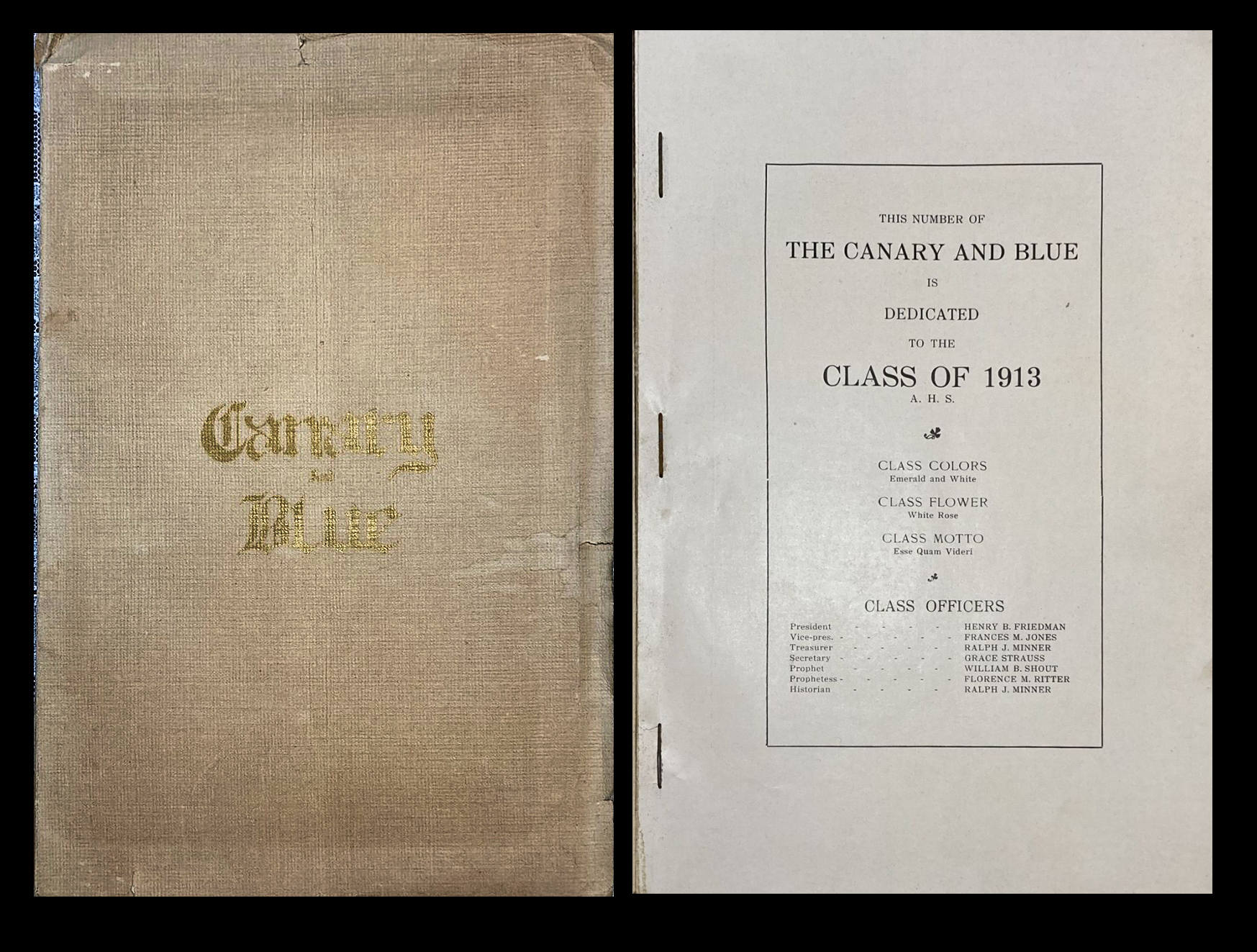
Yearbooks have been around in American schools since the 1800s, but early ones were often handmade or filled with group shots and drawings. As photography became cheaper during the 20th century, individual portraits for every student turned into a standard feature.
By the middle of the century, “picture day” was a ritual: a photographer set up in the gym, students lined up in their best clothes, and everyone got a few seconds in front of the camera. That ritual is the backdrop for every trend below.
Yearbook photos decade by decade
The 1950s: polished and proper
Black-and-white portraits, soft studio lighting and a very formal mood. Girls often wore cardigans, Peter Pan collars and a strand of pearls, with short curled or set hair. Boys favored crew cuts or neatly combed, slicked-back styles with a jacket and tie.
Many senior portraits used a “drape,” a piece of dark fabric wrapped around the shoulders to create a uniform, elegant neckline. The smile was usually gentle and closed-mouth.
The 1960s: from tidy to rebellious
Early 60s photos look a lot like the 50s, with bouffant and beehive hairstyles getting taller every year. By the end of the decade, things loosened: longer hair for boys, straight center-parted hair for girls, and a hint of counterculture creeping into school pictures.
The 1970s: color arrives
Color film became common, and suddenly yearbooks were full of earth tones: rust, mustard, brown and olive. Feathered hair, wide shirt collars, turtlenecks and big glasses defined the look. Backgrounds were often a mottled blue or brown studio backdrop.
The 1980s: big hair, bigger backgrounds
Perms, teased bangs and mullets, plus shoulder pads and bold sweaters. Photographers experimented with soft-focus effects and the famous hand-under-the-chin pose. And then there were the laser backgrounds: neon beams and cosmic gradients that now feel like peak 80s.
For a closer look at what everyone was wearing, see our guide to 80s fashion trends that defined the decade.
The 1990s: casual and personal
Picture day got more relaxed. Flannel, chokers, overalls, curtain bangs and frosted tips all made appearances. Senior portraits increasingly moved outdoors, with students posing by trees, fences or their first car. Smiles got bigger and more natural.
If this is your era, you’ll love 40 things every 90s kid remembers.
The 2000s: Y2K sparkle and digital cameras
Chunky highlights, butterfly clips, spiky gelled hair, popped collars and layered tank tops. Digital cameras let photographers take more shots per student, so expressions got more playful. Candid pages filled with point-and-shoot snapshots from dances and trips.
Our guide to the Y2K aesthetic shows how this look is being recycled today.
The 2010s: natural light and selfie style
Side-swept bangs, beachy waves, skinny jeans and flannel shirts. Many families booked professional senior sessions outdoors, often in golden-hour light, with multiple outfits and props. Smartphones meant students arrived with a strong sense of their “good side,” shaped by selfies.
The 2020s: flexible, digital and AI-curious
The pandemic disrupted picture day for many schools, and some yearbooks included photos submitted from home. Today’s portraits lean toward natural makeup, middle parts, relaxed fits and minimal retouching, though editing apps are always close at hand.
There’s also a new twist: people using AI tools to see themselves “in” old yearbooks. We explain how that works, and how to get good results, in the AI yearbook photo trend.
Yearbook photos through the decades at a glance
| Decade | Hair | Clothes | Photo style |
|---|---|---|---|
| 1950s | Set curls, crew cuts | Cardigans, pearls, ties | Black and white, formal, drape |
| 1960s | Bouffants, then long and straight | Shift dresses, skinny ties | Mostly black and white |
| 1970s | Feathered, shag cuts | Wide collars, turtlenecks | Early color, mottled backdrops |
| 1980s | Perms, teased bangs, mullets | Shoulder pads, bold sweaters | Laser backgrounds, soft focus |
| 1990s | Curtain bangs, frosted tips | Flannel, chokers, overalls | Outdoor senior portraits |
| 2000s | Chunky highlights, spiky gel | Layered tanks, popped collars | Digital, playful, more candids |
| 2010s | Side bangs, beachy waves | Skinny jeans, flannel | Golden-hour pro sessions |
| 2020s | Middle parts, natural texture | Relaxed fits, minimal | Natural, digital, AI-curious |
Picture day rituals every generation shares
Styles changed every few years, but some parts of picture day have barely moved since your grandparents lined up in the gym. Ask anyone from any decade and you’ll hear versions of the same stories.
- The order form. A paper envelope with package options, sent home days before, and a parent deciding how many wallet-size prints the relatives really needed.
- The night-before outfit debate. Laying out the “nice” shirt, then changing your mind three times in the morning.
- The free comb. Handed out in line so everyone could fix their hair one last time.
- The photographer’s one-liner. Some version of “say cheese” or a goofy joke meant to get a real smile in the two seconds you had.
- Retake day. The second chance for anyone who blinked, sneezed or regretted their bangs.
- Signing season. The last week of school, when yearbooks filled with “stay cool,” “never change” and inside jokes nobody remembers anymore.
Those shared rituals are why old yearbooks make such good conversation starters. The hair is different, but the nerves and the giggles are the same.
How to recreate a retro yearbook photo
Throwback yearbook photos are a classic theme for birthdays, reunions and social posts. You don’t need a studio, just a few details done right.
- Pick your decade. Use the table above to choose one era and commit to its hair, clothes and pose.
- Get the background right. A plain gray or blue sheet works for the 50s to 70s. For the 80s, search for a laser-style backdrop image and display it behind you on a TV or print it large.
- Use simple, front-facing light. Stand facing a window or a soft lamp. Classic school portraits are evenly lit with few shadows.
- Frame head and shoulders. Keep your shoulders angled slightly and your face turned toward the camera, just like picture day.
- Edit for the era. Black and white for the 50s and 60s, warm and slightly faded for the 70s, a soft glow for the 80s.
For more on light and angles, see our guide on how to take a great selfie.
What yearbook photos reveal about each generation
Look across the decades and you’ll notice a shift from conformity to self-expression. Early portraits aimed for everyone to look tidy and similar. Later ones encouraged students to show personality through clothes, props and locations.
That arc mirrors bigger generational changes, from the formality of the Silent Generation and early Boomers to Gen Z’s comfort with cameras and curated self-presentation. Our guide to generation names and years can help you match each yearbook to the generation in it.
FAQ
When did yearbook photos switch from black and white to color?
It happened gradually and varied by school and budget. Color portraits became increasingly common through the 1970s, though many yearbooks kept black-and-white pages for years afterward to save on printing costs.
Why did 80s and 90s school photos have laser backgrounds?
They matched the era’s love of neon, sci-fi and new technology. Photographers offered them as a fun, modern option, and they’ve since become one of the most nostalgic picture-day details.
What is the “drape” in senior portraits?
A piece of fabric, often black velvet, wrapped around the shoulders to create a simple, elegant neckline. It hides clothing so every portrait looks consistent and timeless.
How can I find old yearbook photos of relatives?
Start with family members, the school’s library or alumni association, and local public libraries or historical societies, which sometimes keep yearbook collections. Some yearbooks have also been digitized by libraries and genealogy services.
How should I store old yearbooks so they last?
Keep them upright on a shelf in a cool, dry room, away from direct sunlight, attics and basements. If a yearbook matters to your family, scan or photograph the key pages so the memories survive even if the book doesn’t.
Whether your picture day memories involve pearls, perms or a phone in your pocket, every yearbook photo is a tiny time capsule. Dig out an old one this week, share it with someone who was there, and enjoy the story that comes with it.