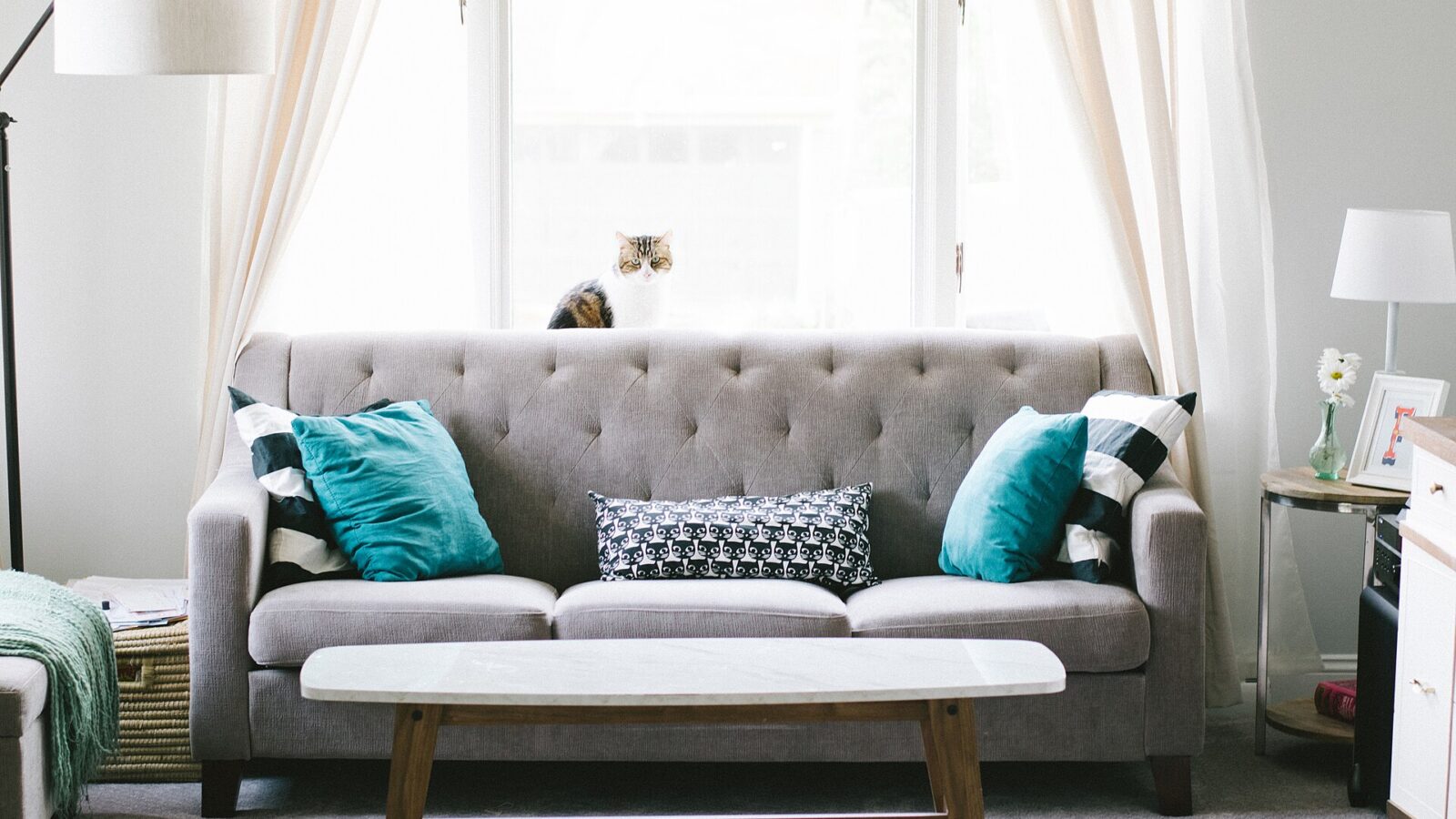
Your apartment has thin walls, no yard and a landlord who reads the lease very carefully. You also really, really want a pet.
Good news: plenty of animals are happy in small spaces, as long as their needs match your schedule and your building. The best pets for apartments aren’t just small; they’re quiet enough for neighbors, easy to exercise indoors and realistic for your budget.
Here’s an honest rundown of nine great apartment pets, how they compare, and what to sort out before you bring one home.
Before you choose: five apartment questions
- What does your lease allow? Many buildings limit pet types, number, weight or breed, and charge deposits or monthly pet rent. Get permission in writing.
- How much noise can you get away with? Barking, squawking and nighttime wheel-running all travel through walls.
- How much time do you really have? Count your actual daily hours at home, not your ideal ones.
- Where will everything go? Cages, litter boxes, tanks and food storage all need floor space.
- What happens when you travel? Some pets can be left with a sitter popping in; others need full-time care.
The 9 best pets for apartments
1. Cats
Cats are the classic apartment pet for good reason. They’re usually quiet, use a litter box and don’t need to go outside. A cat tree near a window gives them vertical space and entertainment, which matters more than square footage.
Good for: people who work regular hours and want a companion with some independence. Consider: daily play, scratching posts to protect furniture, and allergies in the household. Adult cats from shelters are a great choice because their personality is already clear; our guide to cat personality types can help you pick the right one.
2. Small, calm dogs
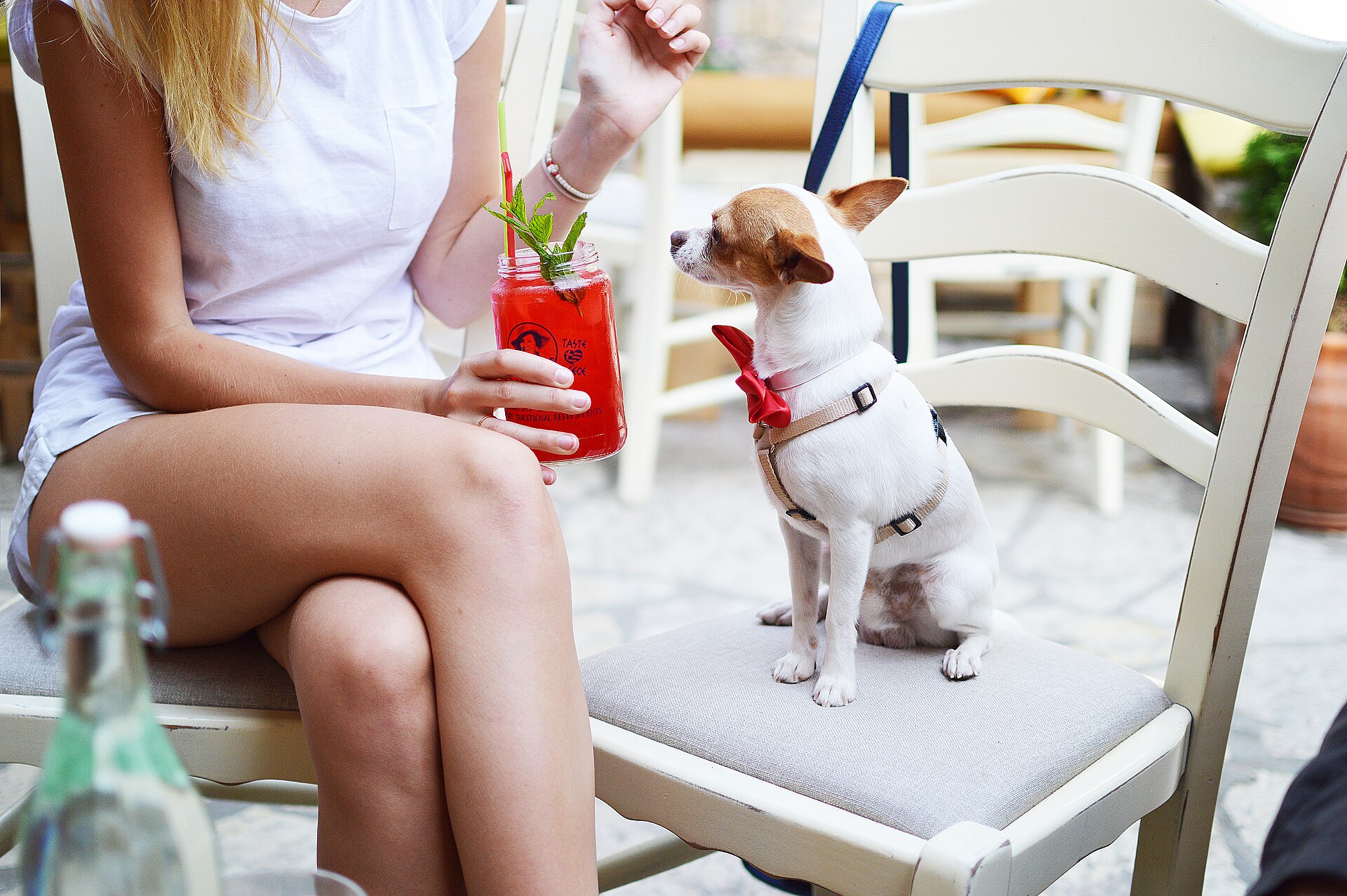
Dogs can absolutely live happily in apartments, but energy level matters more than size. Calm small breeds such as Cavalier King Charles spaniels, Havanese, Bichon Frises and Boston terriers are common apartment favorites. Surprisingly, some larger, mellow dogs, like retired greyhounds, also do well.
Good for: people who can walk a dog several times a day and want a very social companion. Consider: barking, elevator and stair access, potty breaks in bad weather, and time alone. Find your match in the best dog breed for your personality.
3. Guinea pigs
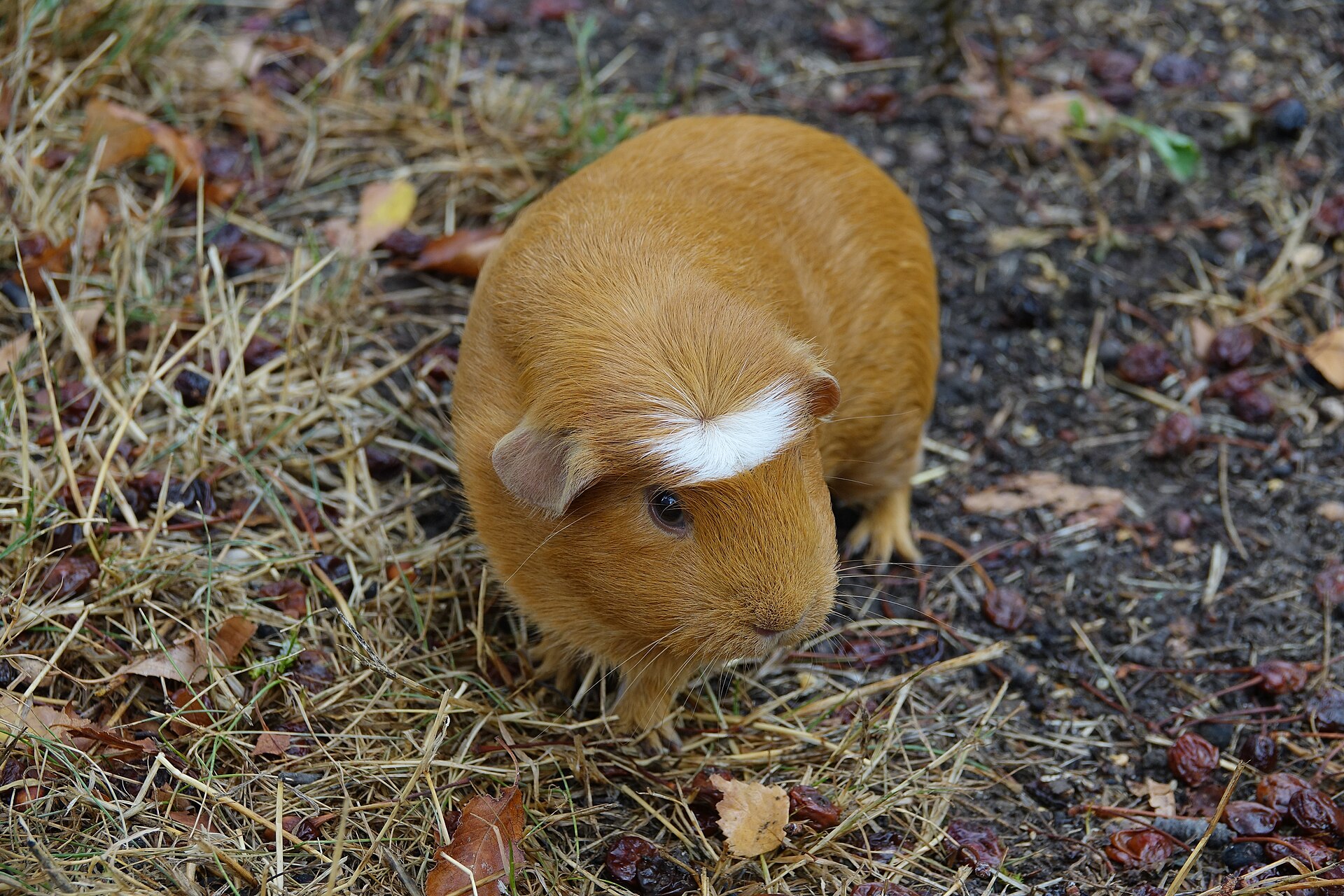
Guinea pigs are gentle, chatty in a sweet, squeaky way, and active during the day. They’re social animals and are generally happiest kept in pairs or small groups of the same sex.
Good for: people who want an interactive small pet and have room for a roomy enclosure. Consider: they need a lot of hay, fresh vegetables, regular cage cleaning and a vet who treats small mammals.
4. Rabbits
Rabbits are quiet, curious and can often be litter trained. Many owners give them a pen or a bunny-proofed room instead of a small cage, and they reward that freedom with funny hops and zoomies.
Good for: patient owners who enjoy a pet with personality. Consider: rabbits chew cords and baseboards, need space to move daily, and can live for many years, so they’re a long commitment.
5. Pet rats
Rats have an unfair reputation. Pet rats are clean, clever, affectionate and can learn tricks. They’re social and usually do best in same-sex pairs.
Good for: people who want a smart, hands-on small pet. Consider: they have short lifespans, often just a few years, and need daily time out of the cage to play.
6. Hamsters
Hamsters take up little space and are fun to watch. Syrian hamsters prefer living alone, which makes a single hamster a simple setup.
Good for: night owls and anyone with limited space. Consider: they’re mostly active at night, so a wheel in your bedroom can be noisy. Choose a quiet wheel and a larger enclosure than pet stores usually suggest.
7. Fish
A well-planned aquarium is calming, silent and neighbor-friendly. Betta fish are a popular starter choice, but they need a heated, filtered tank, not a tiny bowl.
Good for: people who travel often or want a low-interaction pet. Consider: water testing and tank maintenance take regular effort, and a large tank is heavy, so check where you place it.
8. Leopard geckos
Quiet, odor-light and easygoing, leopard geckos are often recommended as beginner reptiles. They live in a tank and don’t need daily walks or playtime.
Good for: busy people fascinated by reptiles. Consider: they need a proper heat setup, live insects as food, and can live a long time.
9. Budgies (parakeets)
Budgies are small, cheerful and social, and some learn to mimic words. They’re less loud than larger parrots, but they still chirp, especially in the morning.
Good for: people home often who enjoy a lively soundtrack. Consider: they need daily social time, out-of-cage flight in a safe room, and neighbors who don’t mind birdsong.
Apartment pets compared
| Pet | Noise | Daily time needed | Space needed | Alone time OK? |
|---|---|---|---|---|
| Cat | Low | Moderate | Small, vertical | Yes, with sitter for trips |
| Small calm dog | Low to moderate | High | Small to medium | Limited |
| Guinea pigs | Low (squeaks) | Moderate | Medium enclosure | Short periods |
| Rabbit | Very low | Moderate | Pen or bunny-proofed room | Short periods |
| Rats | Very low | Moderate | Tall cage | Short periods |
| Hamster | Low (night wheel) | Low | Small | Yes |
| Fish | Silent | Low | Tank | Yes |
| Leopard gecko | Silent | Low | Tank | Yes |
| Budgies | Moderate | Moderate to high | Cage plus flight time | Short periods |
Budgeting for an apartment pet
The adoption fee is usually the smallest part of the cost. Before you commit, sketch out a simple monthly and yearly budget that includes:
- Building fees: pet deposits, one-time pet fees and monthly pet rent, which some buildings charge per animal.
- Setup: cage, tank, litter box, bed, carrier, toys and, for reptiles and fish, heating and filtration equipment.
- Ongoing supplies: food, litter or bedding, hay for small herbivores, and replacement toys.
- Vet care: checkups, vaccines where needed, and a cushion for emergencies. Exotic pets may need a specialist vet, which can cost more.
- Help: dog walkers, pet sitters or boarding when you travel or work late.
Setting aside a little each month for unexpected vet bills, or looking into pet insurance for dogs and cats, can make a stressful situation much easier.
Tips for being a good pet-owning neighbor
- Use rugs and pads. They soften the sound of paws, cages and toys on hard floors.
- Plan exercise before work. A tired dog or a cat after a play session is a quiet pet while you’re out.
- Keep it clean. Scoop litter daily and clean cages on a schedule so odors don’t reach hallways.
- Leash and elevator manners. Keep dogs close in shared spaces and ask before letting them greet anyone.
- Introduce yourself. Telling neighbors about your new pet, and asking them to let you know if there’s noise, prevents a lot of tension.
Once you’ve settled in, your new roommate might deserve a gift or two. Dog owners can browse our list of gifts for dog lovers and their dogs. And if you’re just curious which animal you most resemble, our guide to spirit animal meaning includes a fun, respectful reflection exercise.
FAQ
What is the easiest pet to have in an apartment?
For low daily effort, fish and leopard geckos are among the easiest, though both need the right setup. For an affectionate companion with modest needs, an adult cat is hard to beat.
Can big dogs live in apartments?
Some can, if they’re calm indoors and you provide plenty of outdoor exercise. Energy level and barking tendency matter more than size. Check your building’s weight and breed rules first.
What’s the quietest pet for an apartment?
Fish, leopard geckos and rabbits are among the quietest. Cats are usually quiet too, though some breeds and individuals are more vocal than others.
Do I need to tell my landlord about small pets like fish or hamsters?
Read your lease carefully. Some leases cover all animals, including small caged pets and aquariums. When in doubt, ask in writing; it protects your deposit and your relationship with your landlord.
The best pets for apartments are the ones whose needs you can meet every single day in the space you actually have. Start with your lease, be honest about your schedule, and you’ll find a companion who makes your small place feel a lot more like home.