You’ve probably said it, or at least seen it: “That nap-loving sloth is my spirit animal.” “Pizza is my spirit animal.” The phrase has become internet shorthand for “I relate to this so much.”
But spirit animal meaning goes back much further than memes, and it touches beliefs that are sacred to some communities. That’s why the casual use of the phrase makes some people wince.
This guide explains where the idea of animal guides comes from, why the wording matters, what popular animal symbols mean, and how to enjoy the fun of “finding your animal” in a way that’s thoughtful and respectful.
What does “spirit animal” mean?
Today, most people use “spirit animal” in one of two ways. The playful meaning is simply “something I strongly relate to.” The more serious meaning is an animal believed to guide, protect or teach a person spiritually.
The serious meaning is where things get complicated. Ideas about animal guides exist in many cultures, but they are not one single, universal belief. Each tradition has its own words, rules and context, and some are closed practices that outsiders aren’t meant to adopt.
Where the idea of animal guides comes from
Humans have connected with animals symbolically for as long as we’ve told stories. A few examples show how different these traditions are:
- Indigenous traditions in North America: many Native nations have spiritual relationships with animals, clan systems and ceremonies. These vary enormously from nation to nation, and they are often private, sacred and tied to family, community and land. The English word “totem,” for example, comes from the Ojibwe word for a clan relationship.
- Ancient Egypt: many deities were linked to animals, like a falcon, a jackal or a cat, and animals carried strong religious symbolism.
- Norse belief: a guardian spirit called a fylgja was sometimes described as appearing in animal form.
- East Asian zodiacs: the Chinese zodiac assigns an animal to each birth year, a cultural system you can explore in our guide to Chinese zodiac animals.
- Folk tales and fables: stories everywhere use animals as symbols, from the clever fox to the patient tortoise.
The modern, mix-and-match “find your spirit animal” idea largely grew out of 20th-century Western spirituality and pop culture, which borrowed loosely from many of these sources, often without permission or understanding.
Why the phrase can be sensitive
For many Indigenous people, spiritual relationships with animals are part of living religions that were suppressed for generations. Seeing those ideas turned into jokes about tacos or cartoon characters can feel dismissive.
That doesn’t mean you’re a bad person if you’ve used the phrase. Most people say it with zero ill intent. It just means that, once you know the background, there are easy ways to keep the fun and drop the parts that might hurt.
Respectful alternatives to “spirit animal”
If you want to say “I relate to this animal,” here are a few swaps that keep the meaning:
- Kindred animal: “The otter is my kindred animal.”
- Animal twin: playful and personal.
- Favorite animal: simple and clear.
- Spirit pet: lighthearted, and clearly about fun rather than religion.
- “Same energy as…”: “I have strong golden retriever energy.”
And if you do want to learn about a specific culture’s beliefs about animals, the best route is to read and listen to people from that culture, especially through tribal, community or museum sources they’ve shaped themselves.
Popular animal symbolism and what it says about you
The table below reflects common modern, mostly Western symbolism you’ll see in books, art and pop culture. It doesn’t represent any specific sacred tradition, and meanings can differ a lot between cultures.
| Animal | Popular symbolism | You might relate if you… |
|---|---|---|
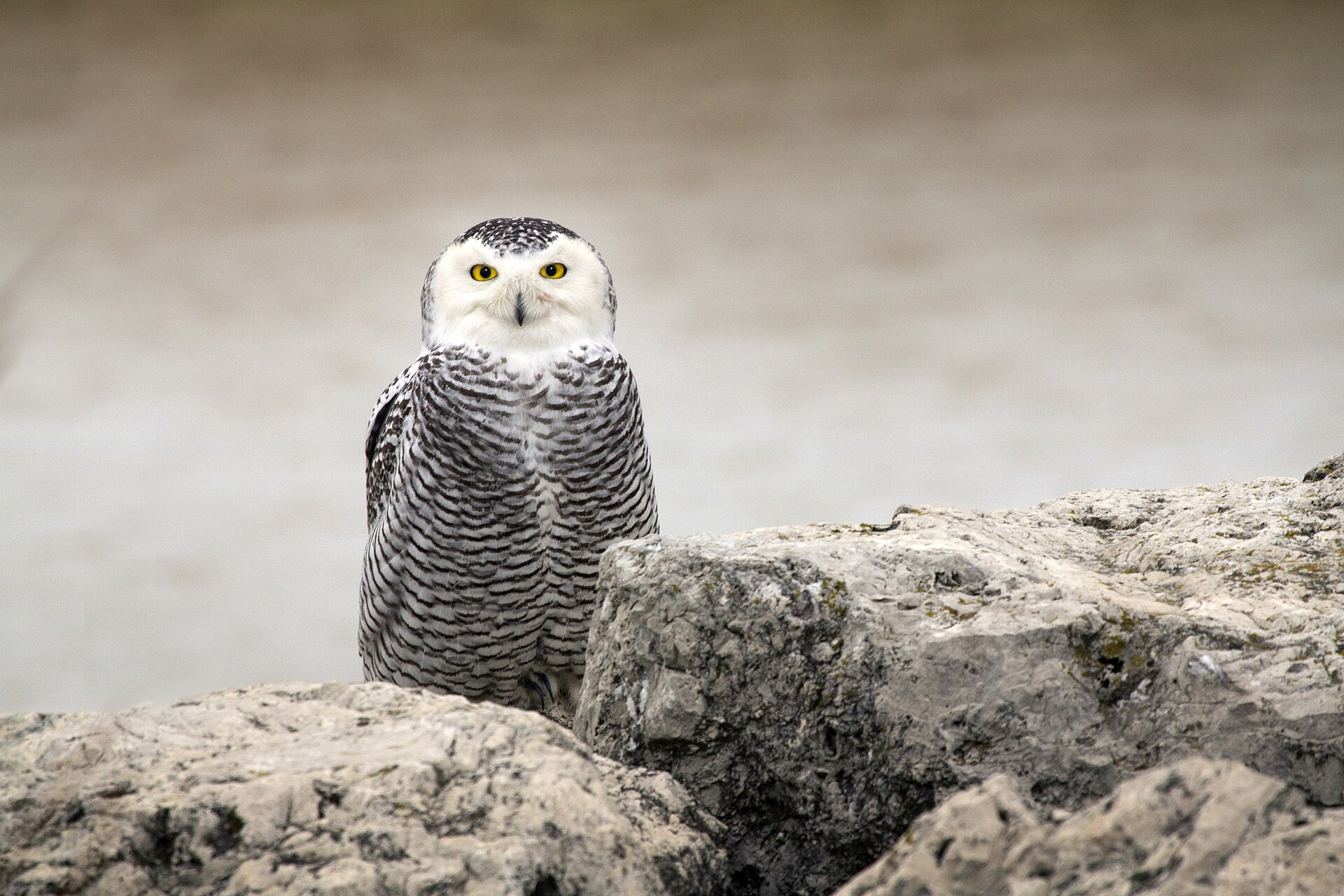
| Owl | Wisdom, observation | Listen more than you talk and notice details |
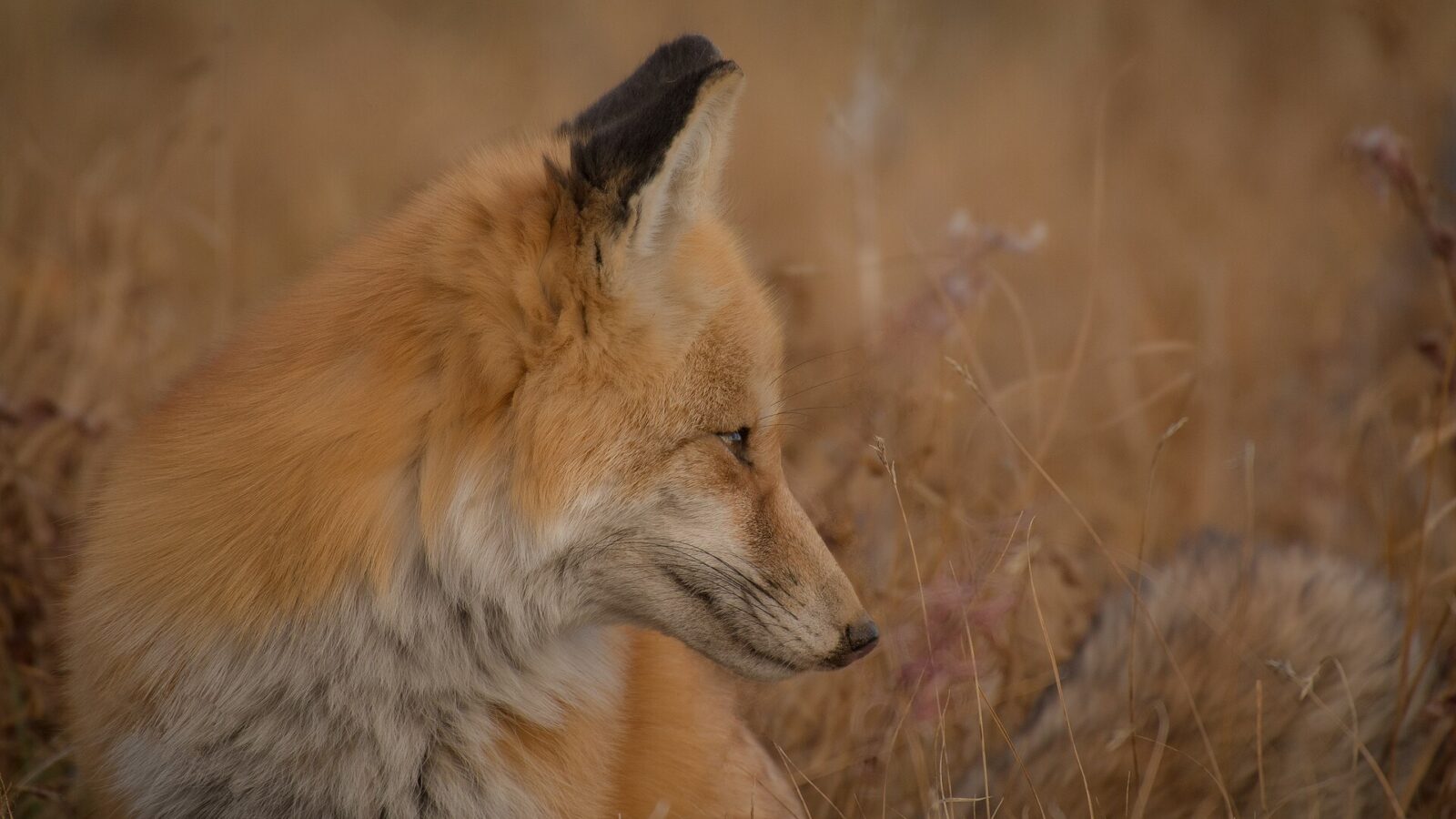
| Fox | Cleverness, adaptability | Solve problems creatively and adjust quickly |
| Wolf | Loyalty, teamwork, instinct | Are fiercely devoted to your “pack” |
| Bear | Strength, rest, protection | Are steady and protective, and value hibernation time |
| Dolphin | Playfulness, connection | Bring fun and warmth to every group |
| Butterfly | Change, growth | Are in the middle of a big life transformation |
| Eagle | Vision, ambition | Love big goals and the long view |
| Turtle | Patience, persistence | Win by being steady, not fast |
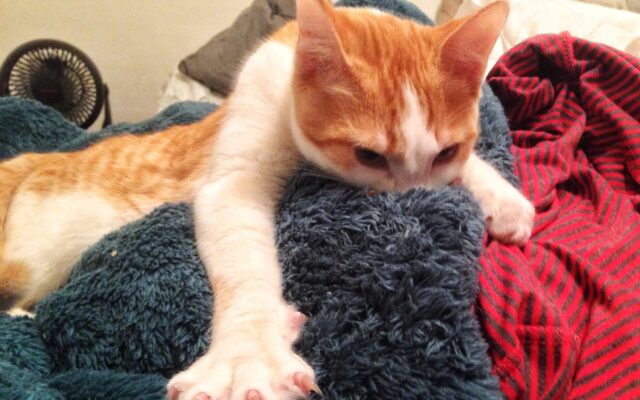
| Cat | Independence, curiosity | Need alone time and do things your own way |
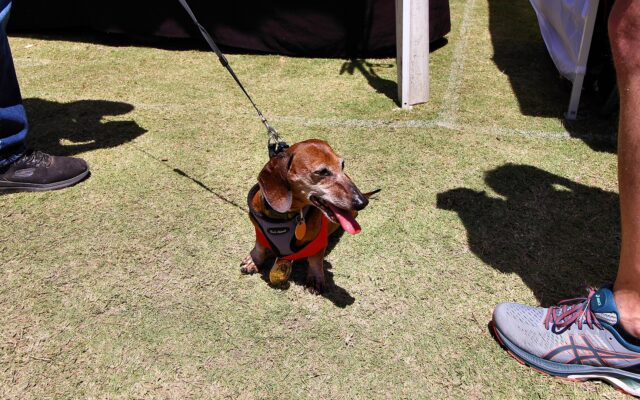
| Dog | Loyalty, friendliness | Are loving, enthusiastic and easy to read |
| Horse | Freedom, energy | Feel restless when boxed in |
| Elephant | Memory, family | Never forget a birthday or a kindness |
Notice how the same animal can mean very different things across cultures. The owl is a symbol of wisdom in many Western stories, but in some traditions it’s linked with bad omens or death. The fox can be a clever hero in one folk tale and a dangerous trickster in another. That variety is a good reminder that no single list is the “true” meaning of any animal.
If you find yourself drawn to dogs or cats in particular, you might enjoy our guides to the best dog breed for your personality and the 5 cat personality types.
How to find your kindred animal (a fun, respectful exercise)
This isn’t a ritual or a test of your soul. It’s a reflection exercise, like a journaling prompt with fur and feathers.
- List three traits you’re proud of. Maybe loyal, curious and calm.
- List one trait you’re working on. Maybe patience or confidence.
- Think about animals you’ve always loved. Childhood favorites, animals you stop to watch, ones that show up in your art or photos.
- Match traits to animals. Which animal reflects your strengths? Which one models the trait you want to grow?
- Pick one “now” animal and one “growth” animal. For example: a dog for your loyalty now, a turtle for the patience you’re building.
- Revisit in a year. People change, and your animal can too.
Talking about animal symbolism with kids
Kids love animal games, and “which animal are you?” is a great conversation starter on road trips or at dinner. It’s also a natural moment to teach curiosity and respect.
- Keep it about traits. Ask “Which animal is brave like you?” rather than framing it as a spiritual label.
- Share real animal facts. Look up how the animal actually lives. Kids often find the science more amazing than the symbolism.
- Explain that words have homes. Some words and ideas belong to specific cultures, and it’s kind to use them carefully.
Is there any science behind animal personality matches?
Not really. Matching yourself to an animal is symbolic, not scientific. Animal “personality types” in quizzes are usually built on stereotypes about animals rather than research about people.
That’s fine, as long as you treat it as play and reflection. If you want to understand your personality in a research-backed way, the Big Five personality traits are the model psychologists actually use. And for a clear-eyed look at online quizzes in general, read are online personality quizzes accurate?
Interestingly, animals themselves do have measurable personalities. Researchers study boldness, sociability and curiosity in many species, from dogs and cats to fish and birds. So while you can’t scientifically “be” a fox, your cat really can be the curious type.
FAQ
Is it offensive to say “spirit animal”?
Opinions differ, but many Indigenous people have said the casual use feels dismissive of their spiritual traditions. Since easy alternatives exist, many people choose phrases like “kindred animal” or “favorite animal” instead.
What is the difference between a spirit animal and a totem?
In popular usage the two get blended, but they’re not the same. “Totem” comes from an Ojibwe term for a clan relationship, which is about family and community identity, not a personal animal chosen for fun.
Can my pet be my “spirit animal”?
In the playful sense, sure. Lots of people feel their dog or cat reflects their own personality. Calling them your “animal twin” or “spirit pet” captures that bond nicely.
How do I know which animal fits me?
Use the reflection exercise above: start with your real traits, then look for animals that mirror them. Gut feeling counts too. The animal you’ve always loved probably says something about you.
Animals have inspired human stories, beliefs and art for thousands of years, and it’s natural to feel kinship with them. Keep the curiosity, choose your words with care, and let your kindred animal be a fun mirror for the person you are and the one you’re becoming.