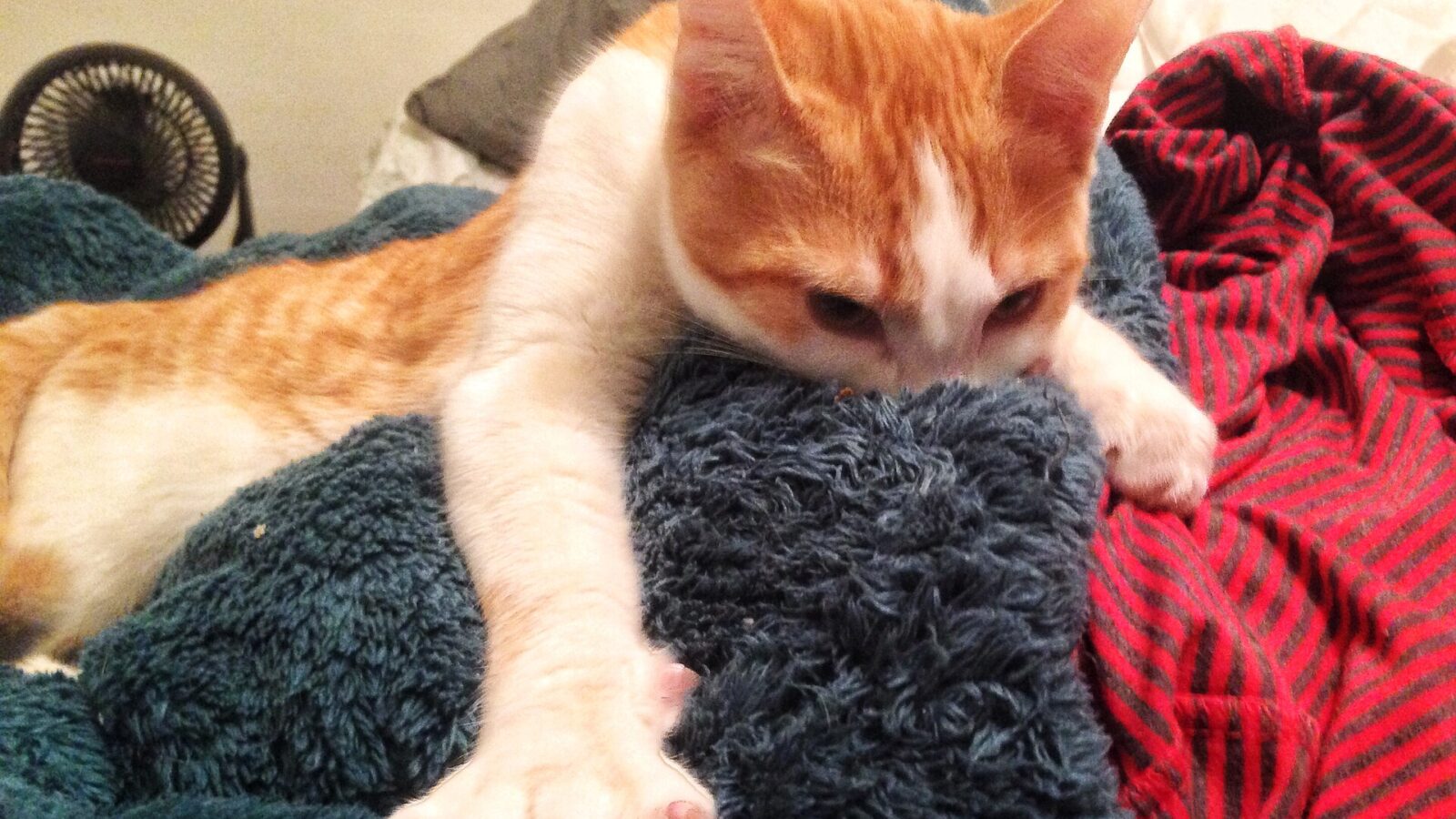
You sit down on the couch, and within seconds your cat climbs onto your lap, purrs like a tiny engine, and starts pressing its paws into your thigh, left, right, left, right. Claws optional. If you’ve ever wondered why do cats knead like that, you’re in good company: it’s one of the most searched cat questions out there.
Kneading is only the start. Cats also chatter at birds, push your mug off the table while staring you in the eye, and cram themselves into boxes two sizes too small. To us it looks bizarre. To a cat, almost every one of these habits makes perfect sense.
Below, we decode ten of the strangest everyday cat behaviors: what’s most likely going on, what’s normal, and the few signs that mean you should loop in your veterinarian.
Why do cats knead? The short science
Kneading starts in the first days of life. Newborn kittens press their paws against their mother while nursing, which helps the milk flow. That rhythmic push becomes tied to warmth, food and safety.
Many adult cats never drop the habit. When your cat kneads your lap or a fuzzy blanket, it’s most likely recreating that cozy, safe feeling. That’s why kneading so often comes with purring, half-closed eyes, and sometimes a little drool.
The American Animal Hospital Association lists a few overlapping reasons in its guide Why Do Cats Knead?:
- Comfort. It echoes the nursing instinct and helps a cat self-soothe.
- Bed-making. Like wild cats patting down grass, your cat may knead to make a spot comfy before lying down.
- Affection. Cats often knead the people and animals they feel close to.
- Scent marking. Glands in the paws leave a scent, quietly labeling you or the blanket as “mine.”
What if the claws come out?
Never punish a cat for kneading; they aren’t being naughty, and scolding only makes them less relaxed around you. Instead, keep a thick folded blanket on your lap as a “kneading pad,” and keep nails trimmed.
Offer scratching posts too, so your cat has another outlet for paw energy. If kneading suddenly becomes constant, or a cat who always kneaded stops completely, mention it to your vet. A big change can point to stress or discomfort.
10 strange cat behaviors explained
Kneading is number one on our list. Here are nine more quirks that leave cat owners puzzled, with the most likely explanations.
1. Kneading (“making biscuits”)
Covered above: comfort, bed-making, affection and scent. If your cat kneads you specifically, take it as a compliment. You’re part of their safe zone.
2. Squeezing into boxes
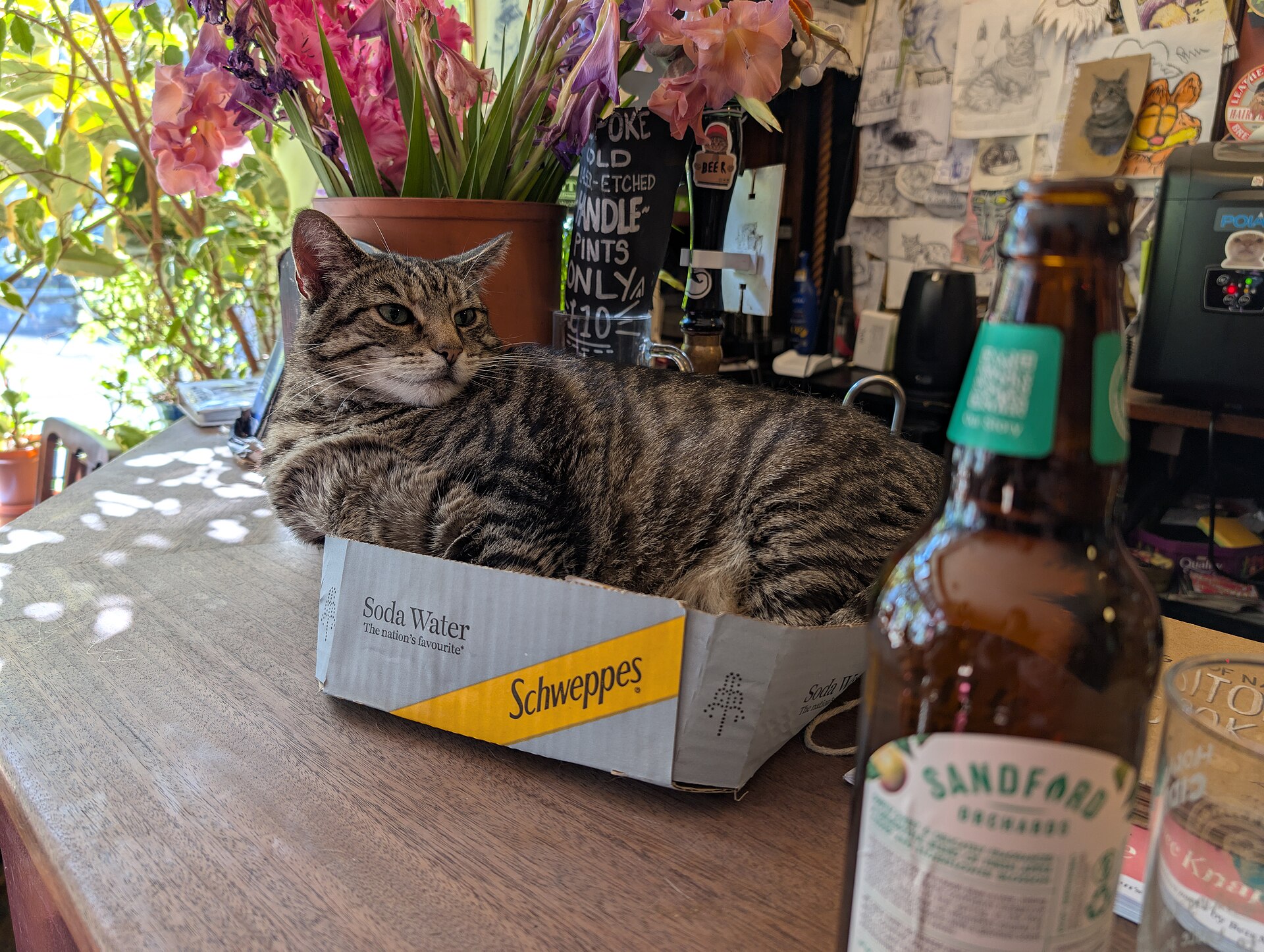
You spend real money on a plush bed, and your cat chooses the shipping box it came in. Boxes offer what cats love: enclosed sides, a clear view of the entrance, and a place to hide while still watching the room.
For a predator that is also small enough to be prey, a snug hideout feels secure. Cardboard also holds body heat well, which matters to an animal that loves warm spots. A box in a quiet corner is a cheap, genuinely useful enrichment item.
3. Knocking things off tables
The slow, deliberate paw. The eye contact. The pen rolling toward the edge. This one feels personal, but it usually isn’t.
Cats test objects with their paws the way they’d test something that might be prey: does it move? Add the fact that knocking things over reliably gets a reaction from you, and a bored cat quickly learns it’s a great way to start a game. More play sessions and puzzle feeders tend to reduce the habit.
4. Chattering at birds
Your cat sits at the window, locks onto a sparrow, and makes a fast “ek-ek-ek” with a trembling jaw. Nobody knows the exact reason, but the leading ideas involve hunting excitement.
It may be frustration at prey they can’t reach, or a kind of rehearsal of the bite. Either way, it’s normal. A window perch or a bird feeder visible from inside can turn this into excellent “cat TV.”
5. Head-butting you (bunting)
A firm bonk to the shin or chin is one of the friendliest things a cat does. Cats have scent glands on their cheeks and forehead, and rubbing them on you mixes their scent with yours.
Cats who live together do this with each other to build a shared “group smell.” When your cat bunts you, you’re being added to the family.
6. The slow blink
Your cat looks at you, then closes its eyes slowly and opens them again. In cat language, staring hard can feel like a challenge, so a slow blink is the opposite: relaxed and non-threatening.
Try it back. Soften your face, blink slowly, and look slightly away. Many cats return the gesture, and it’s a gentle way to say hello to a shy cat.
7. Showing the belly (then attacking your hand)
A cat rolling over to show its tummy is showing trust: the belly is the most vulnerable part of its body. But it’s usually not an invitation to rub it.
Many cats find belly touches overstimulating and respond with the famous “bunny kick” trap. Enjoy the trust, and stick to cheeks, chin and the base of the ears unless your cat clearly asks for more.
8. Drinking from the faucet
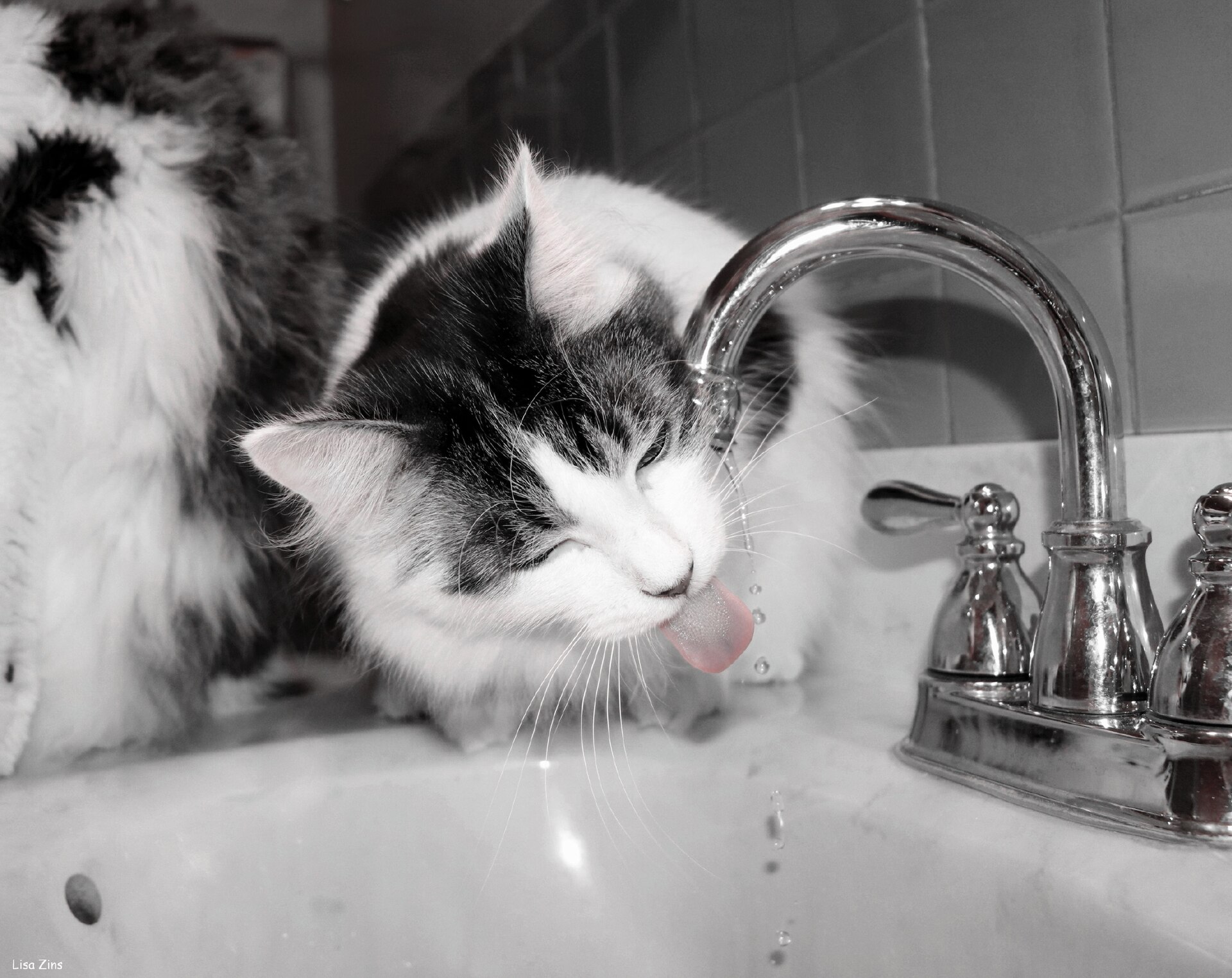
Some cats ignore a full bowl and wait by the sink for you to turn on the tap. Moving water may seem fresher, and it’s easier to see. Some cats also dislike their whiskers touching the sides of a deep bowl.
A pet water fountain or a wide, shallow bowl often solves this. One caution: if your cat suddenly seems to be drinking much more than usual, call your vet, since increased thirst can be linked to health issues.
9. Midnight zoomies
It’s 3 a.m. and something is thundering down the hallway. Cats are naturally most active around dawn and dusk, and an indoor cat who naps all day has energy to burn.
The fix is to tire them out before bed. Try a ten-minute play session with a wand toy, end with a “catch,” and then serve a meal. Hunt, eat, groom, sleep is the natural rhythm you’re copying.
10. Leaving you “gifts”
Outdoor cats sometimes deliver a mouse to the doormat; indoor cats bring a hair tie or a toy to your bed. It’s hunting behavior in action, and the cat is bringing a prize back to its home base.
Whether it’s meant as a “gift” for you is debated. Either way, don’t scold. Calmly remove the item, and offer extra play so the hunting drive has a safe outlet.
Strange cat behaviors at a glance
| Behavior | Most likely reason | Worth a vet call if… |
|---|---|---|
| Kneading | Comfort, bed-making, affection, scent | It suddenly becomes excessive or stops completely |
| Sitting in boxes | Security and warmth | Your cat hides constantly and won’t come out |
| Knocking things over | Curiosity, play, attention | Rarely a health issue; add more play |
| Chattering | Hunting excitement | Not usually a concern |
| Head-butting | Scent sharing, bonding | Pressing the head against walls (different behavior) |
| Slow blink | Relaxed, friendly signal | Squinting with discharge or one eye closed |
| Belly display | Trust | Your cat guards or licks the belly a lot |
| Faucet drinking | Prefers moving, fresh water | Drinking or urinating much more than normal |
| Night zoomies | Pent-up energy | Sudden restlessness in an older cat |
| Bringing “gifts” | Hunting instinct | Not usually a concern |
Note the row about the head. A cat gently bonking you is affectionate; a cat pressing its head steadily against a wall or corner is a different behavior that warrants a prompt vet visit.
When “weird” turns into “worrying”
Most quirky cat habits are harmless. The real red flag is change. Cats are good at hiding discomfort, so a shift in routine is often the first clue that something is off.
- A friendly cat starts hiding or swatting when touched.
- Litter box habits change, or your cat goes outside the box.
- Eating, drinking or grooming noticeably increases or drops.
- Your cat becomes much louder, especially at night, or stops vocalizing.
- A favorite habit, like kneading or jumping onto the bed, suddenly stops.
The ASPCA’s guide to common cat behavior issues covers scratching, litter box problems, yowling and more. For anything that looks medical, your veterinarian is always the right first call.
Reading your own cat’s quirks
Every cat has a personal mix of these behaviors. A confident, social cat may knead everyone who sits down. A cautious cat may only do it in private, on one particular blanket.
If you’d like to figure out where your cat falls, our guide to the five cat personality types walks through the common patterns. It can make odd habits feel a lot more predictable.
Space matters, too. Cats in small homes need vertical territory and hiding spots to feel secure, which our list of the best pets for apartment living touches on. Shelves, window perches and a couple of boxes go a long way.
And if you share your home with a dog too, comparing the two can be fun. Dogs have their own set of strange habits, and our guide to the best dog breed for your personality shows how much temperament varies there as well.
FAQ
Is kneading a sign my cat is happy?
Usually, yes. Kneading paired with purring and relaxed body language is a strong sign of contentment. Cats may also knead to calm themselves, so look at the whole picture, not just the paws.
Why does my cat drool while kneading?
Some cats get so relaxed that they drool a little, likely another echo of nursing. Occasional happy drool is generally fine. Constant drooling, bad breath or pawing at the mouth deserves a vet check.
Do all cats knead?
No. Plenty of perfectly happy cats rarely or never knead. It’s a personal habit, not a measure of how much your cat loves you.
Should I stop my cat from knocking things off counters?
Move breakables out of reach and add more daily play. Scolding tends to reward the attention-seeking side of the behavior. A bored cat with a busy schedule of toys usually loses interest in your coffee mug.
Why does my cat sit on my laptop?
It’s warm, it’s where your attention is, and you’re right there. Offering a heated pad or a cozy bed next to your desk often gives your cat a better option.
The next time your cat settles on your lap and starts making biscuits, you’ll know what you’re looking at: an old kitten instinct, a bit of scent marking, and a lot of trust. Keep a blanket handy for the claws, watch for sudden changes, and enjoy the strange, wonderful way cats show they feel at home.