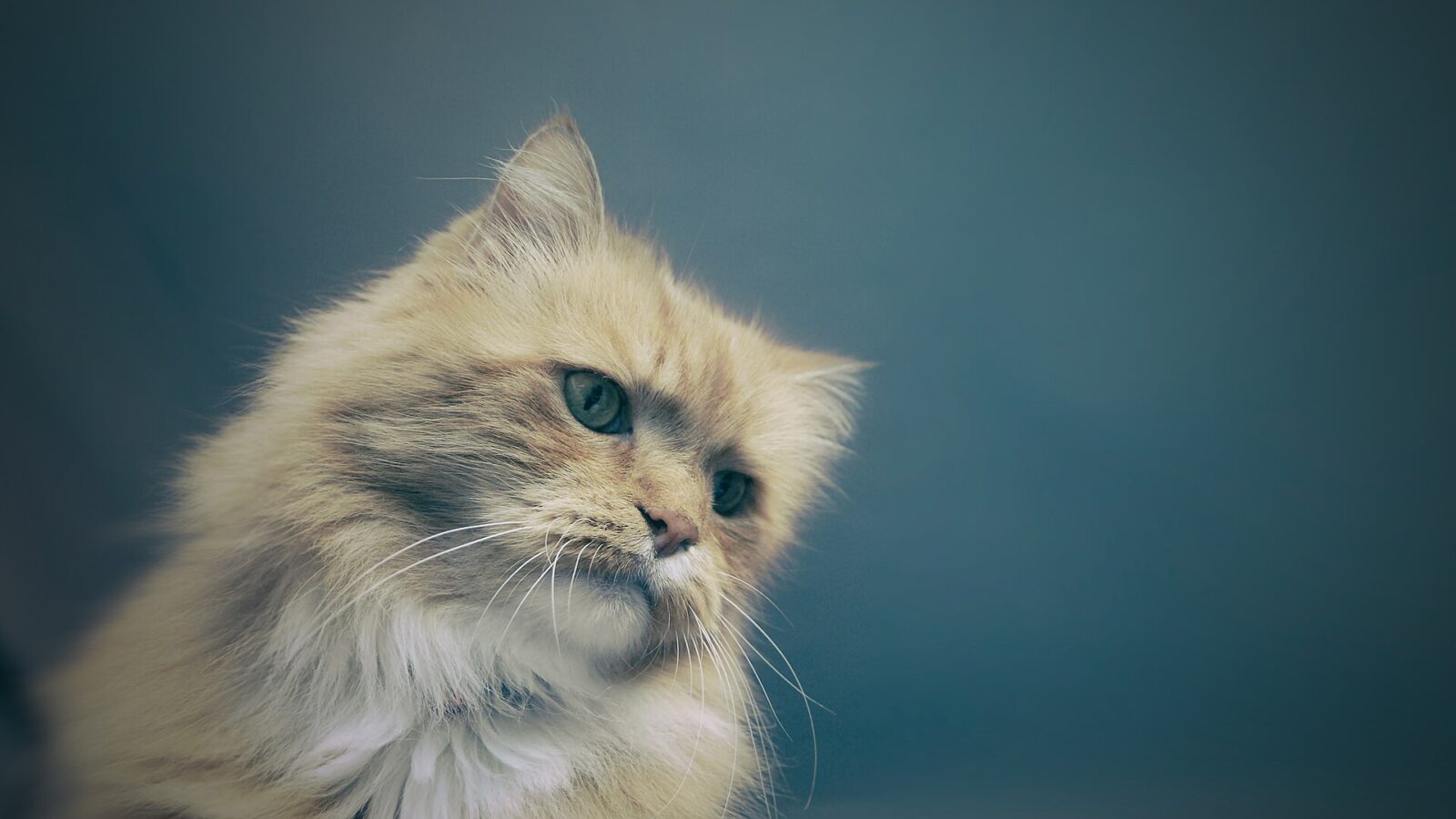
One cat greets you at the door and follows you from room to room. Another ignores you until 3 a.m., then sprints across your bed like it’s training for the Olympics. A third hides under the couch every time the doorbell rings.
Anyone who has lived with more than one cat knows they’re not all the same. Cat personality types are real enough that researchers have studied them, and knowing your cat’s type can make life calmer for both of you.
Here are five everyday cat personality types, the science behind them, and practical ways to tell which one is curled up on your keyboard right now.
What science says about cat personality
In 2017, researchers from the University of South Australia and New Zealand published a study in the journal PLOS One called “The ‘Feline Five.'” Owners of 2,802 pet cats in South Australia and New Zealand rated their cats on a list of 52 personality traits.
The researchers found that those traits clustered into five broad dimensions. As the American Veterinary Medical Association’s summary of the study explains, each cat falls somewhere on a continuum from low to high on each one:
- Neuroticism: insecurity, anxiety, wariness of people, suspiciousness and shyness.
- Extraversion: being energetic, alert, curious, inquisitive, inventive and clever.
- Dominance: bullying and dominant or aggressive behavior toward other cats.
- Impulsiveness: erratic and reckless behavior.
- Agreeableness: affection, friendliness toward people and gentleness.
If that sounds familiar, it’s because human personality research uses a similar approach. Our guide to the Big Five personality traits explains the human version. The five “types” below are a friendly, everyday way to describe cats who score especially high on one dimension. They’re a lens, not a lab result.
The 5 cat personality types
1. The Cuddler (high agreeableness)
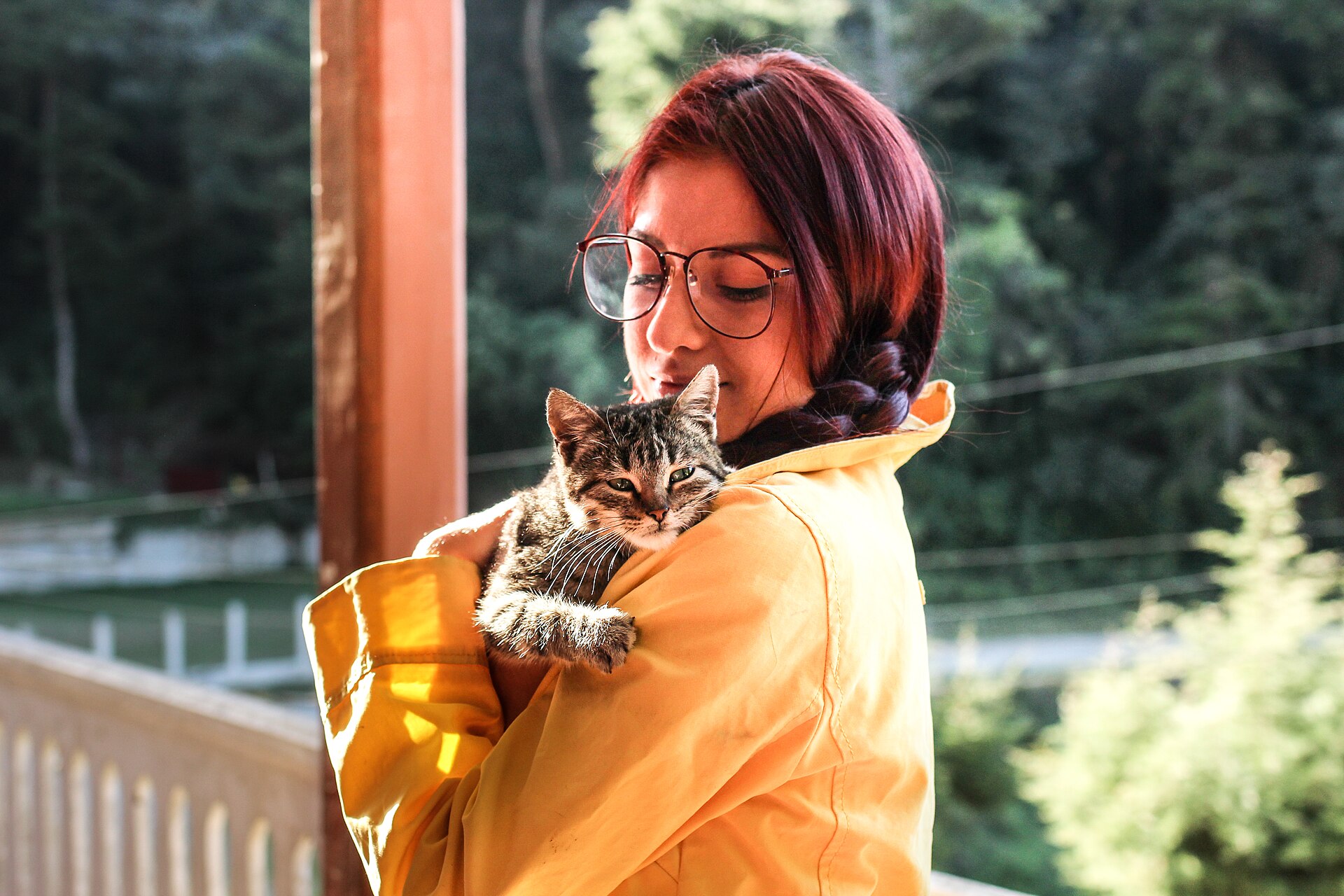
This is the cat who meets guests at the door, climbs into laps uninvited and purrs the moment you make eye contact. They’re gentle with people, tolerate handling well, and often seem to prefer human company over other cats.
How to tell: slow blinks at you, head-bumps, kneading, following you between rooms, sleeping on or next to you.
What they need: plenty of one-on-one time, a cozy spot near where you spend your evenings, and gentle grooming sessions. Long absences may be harder on them, so a friendly sitter helps when you travel.
2. The Explorer (high extraversion)
Every open cabinet is an invitation. Every grocery bag must be inspected. The Explorer is curious, alert and clever, and may learn to open doors or figure out where the treats live faster than you’d like.
How to tell: investigates anything new right away, watches birds with intense focus, gets bored quickly with the same toy, may “talk” a lot.
What they need: mental stimulation. Puzzle feeders, rotating toys, cat trees near windows and short daily play sessions with a wand toy help channel all that curiosity. Some Explorers enjoy supervised time in a secure outdoor enclosure or on a harness.
3. The Shy Observer (high neuroticism)
The Shy Observer is sensitive and cautious. They watch from a distance, retreat when strangers visit and may take weeks to trust a new person. Once they do, they’re often deeply bonded to their chosen human.
How to tell: hides when visitors arrive, startles at loud noises, prefers high or enclosed spots, approaches new things slowly.
What they need: predictability and safe spaces. Give them hiding spots like covered beds or boxes, keep routines steady and let them approach you instead of reaching for them. Sudden changes in behavior, like hiding more than usual or not eating, are worth a call to your veterinarian, since stress and illness can look similar.
4. The Boss (high dominance)
In multi-cat homes, the Boss is easy to spot. They claim the best sunny window, guard the food bowl and may chase or block other cats. With people they can be perfectly sweet; the bossiness is usually aimed at feline housemates.
How to tell: stares down other cats, controls doorways and hallways, pushes others away from food or litter boxes.
What they need: enough resources to go around. A common rule of thumb is to provide multiple feeding stations, water bowls, scratching posts and litter boxes in different locations so no single cat can control everything. If tension turns into fights, talk to your vet or a qualified behavior professional.
5. The Wild Card (high impulsiveness)
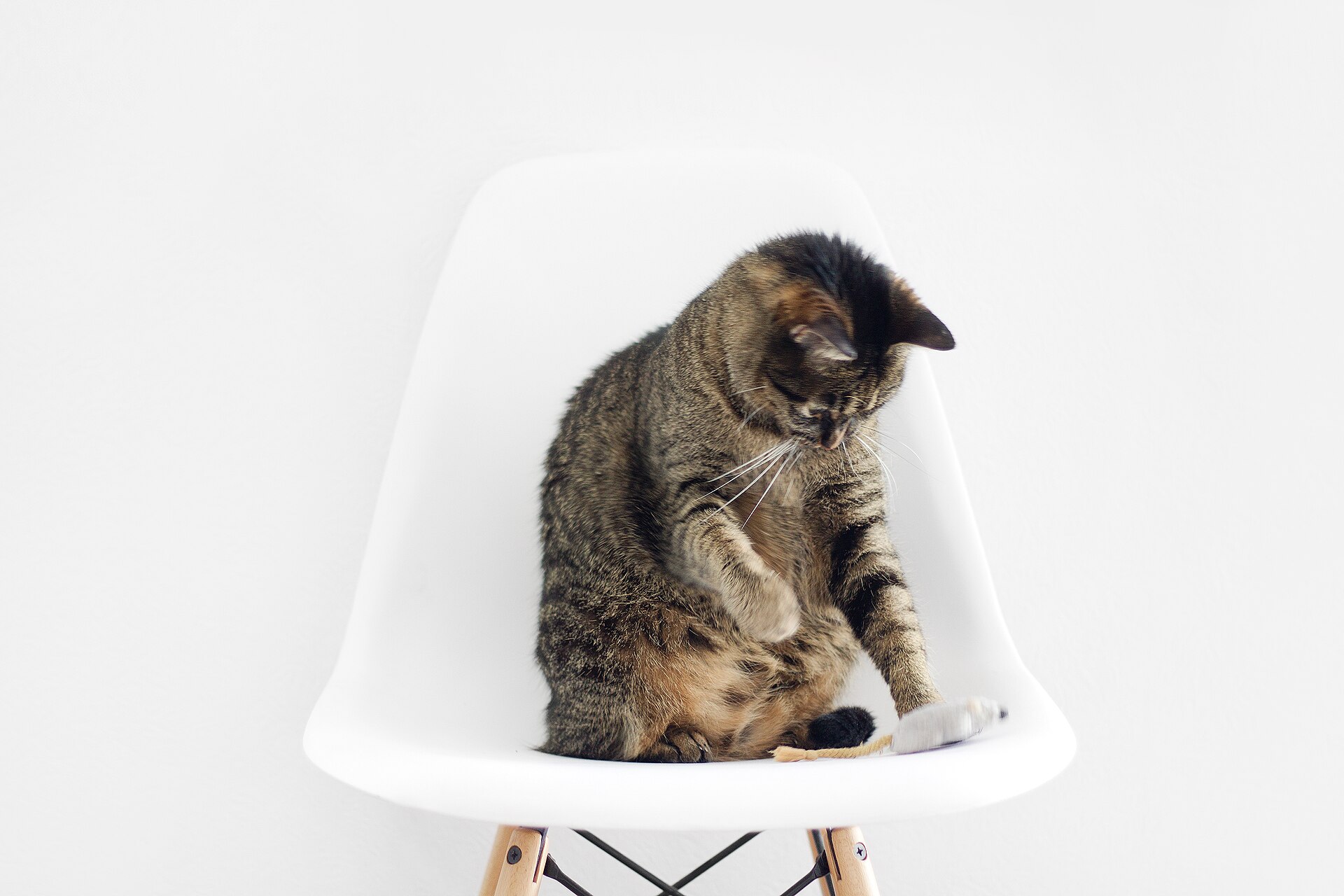
Calm one second, ricocheting off the walls the next. The Wild Card has sudden bursts of energy, unpredictable reactions and a talent for knocking things off tables while maintaining eye contact.
How to tell: frequent “zoomies,” pouncing on feet under the blanket, erratic play, quick mood switches during petting.
What they need: structured outlets. Two or three short, intense play sessions a day, ideally ending with a small meal, can satisfy the hunt-catch-eat cycle and take the edge off nighttime chaos.
Cat personality types at a glance
| Type | Feline Five dimension | Typical signs | Best support |
|---|---|---|---|
| Cuddler | High agreeableness | Lap-sitting, head-bumps, follows you | Daily one-on-one time, cozy spots |
| Explorer | High extraversion | Investigates everything, easily bored | Puzzle feeders, window perches, new toys |
| Shy Observer | High neuroticism | Hides from guests, startles easily | Hiding places, steady routines, patience |
| Boss | High dominance | Guards food and doorways | Multiple resources in separate spots |
| Wild Card | High impulsiveness | Zoomies, sudden pounces | Short, intense play sessions |
How to figure out your cat’s personality type
You don’t need a lab to get a good read on your cat. Try this simple one-week observation:
- Watch the doorbell moment. Does your cat come to investigate, ignore it or vanish? That says a lot about extraversion and neuroticism.
- Offer something new. Put an empty box on the floor. Explorers investigate in seconds; Shy Observers wait and watch.
- Notice where your cat sleeps. On you or near you suggests a Cuddler. High and hidden suggests a Shy Observer.
- Watch mealtimes with other pets. Pushing others aside or guarding the bowl points to a Boss.
- Track the evening energy. Regular late-night sprints and sudden pounces are classic Wild Card behavior.
- Score each type from 1 to 5. Your cat’s highest scores are their dominant traits. Most cats will be a mix of two or three.
What shapes a cat’s personality?
Personality comes from a mix of influences. Genetics and breed play a part; some breeds have reputations for being chatty, laid-back or energetic. Early life matters too: kittens who are gently handled and exposed to different people, sounds and places when young often grow into more confident adults.
Environment and health keep shaping personality over a cat’s life. A cat who feels safe, has things to do and isn’t in pain is more likely to show their friendliest side.
Matching a cat’s personality to your home
If you’re adopting, think about your household before you fall for the first adorable face. A busy family with kids may suit a confident Cuddler or Explorer. A quiet single-person apartment might be perfect for a Shy Observer who needs calm.
Shelter staff and foster caregivers usually know their cats’ personalities well, so describe your home and ask who would fit. If you live in a small space, our guide to the best pets for apartment living covers what cats and other pets need. Dog people can find their match in the best dog breed for your personality.
FAQ
Do cats really have personalities?
Yes. Research such as the Feline Five study shows that cats differ in consistent ways, like how curious, anxious, affectionate or bossy they are. Owners notice these differences every day.
Can a cat’s personality change?
Core tendencies tend to be fairly stable, but cats can become more confident with patience and a safe environment, and age, illness or big life changes can shift behavior. Sudden changes deserve a vet visit.
Does coat color affect cat personality?
It’s a popular idea (think “orange cats are goofy”), but it’s best treated as fun folklore. Individual history, genetics and environment are much better guides to a cat’s behavior than fur color.
Which cat personality type is best for first-time owners?
Many first-time owners do well with an adult Cuddler or a relaxed, moderately curious cat. Adult cats from shelters are a great option because their personalities are already clear.
Whatever type your cat turns out to be, understanding it helps you give them what they actually need, whether that’s a lap, a puzzle or a quiet place to hide. Watch for a week, take notes, and you’ll probably discover your cat has been telling you who they are all along.