You love dogs. Your immune system has other opinions. If every visit to a dog-owning friend ends with itchy eyes and a box of tissues, you’ve probably searched for hypoallergenic dog breeds and found a dozen lists promising a sneeze-free life.
Here’s the honest version: no dog is 100% allergen-free. “Hypoallergenic” is a marketing-friendly word for dogs that shed less and may leave fewer allergens around your home.
That can still make a real difference. This guide explains what the label actually means, which low-shedding breeds are worth a look, and how to test whether a dog will work for you before you commit.
What “hypoallergenic” really means
Most people assume they’re allergic to dog hair. Not quite. The real triggers are proteins found in a dog’s dander (tiny flakes of skin), saliva and urine.
Hair matters because it acts like a delivery system. When a dog sheds, the hair carries dander and dried saliva onto your couch, carpet and clothes. A dog that sheds less tends to spread less of it around.
That’s why the American Kennel Club states plainly that there are no 100% hypoallergenic dogs, while noting that some breeds are less allergenic for many people. Every dog has skin, saliva and urine, so every dog produces allergens.
Why some people react less to certain dogs
Ever notice you sneeze around one Labrador but feel fine around another? You’re not imagining it. Allergen levels can vary from dog to dog, even within the same breed.
A few factors seem to play a role:
- Coat type. Curly or wiry coats tend to trap loose hair and dander instead of dropping it around the house.
- Size. A smaller dog has less skin, makes less saliva, and generally leaves less dander behind.
- Drooling. Heavy droolers spread more saliva on furniture, toys and you.
- Grooming habits. Regular bathing and brushing can reduce how much dander builds up in the coat.
- Your own body. People react to different allergen proteins and at different levels, so one person’s “perfect dog” is another’s itchy weekend.
Low-shedding dog breeds worth considering
These breeds are commonly listed as hypoallergenic because of their low-shedding coats. Each comes with trade-offs, usually in grooming time and cost.
Poodle (Toy, Miniature, Standard)
The classic choice. Poodles have tight curly coats that hold onto loose hair, and they come in three sizes. They’re also smart, athletic and easy to train.
Plan on professional grooming every few weeks and plenty of mental exercise.
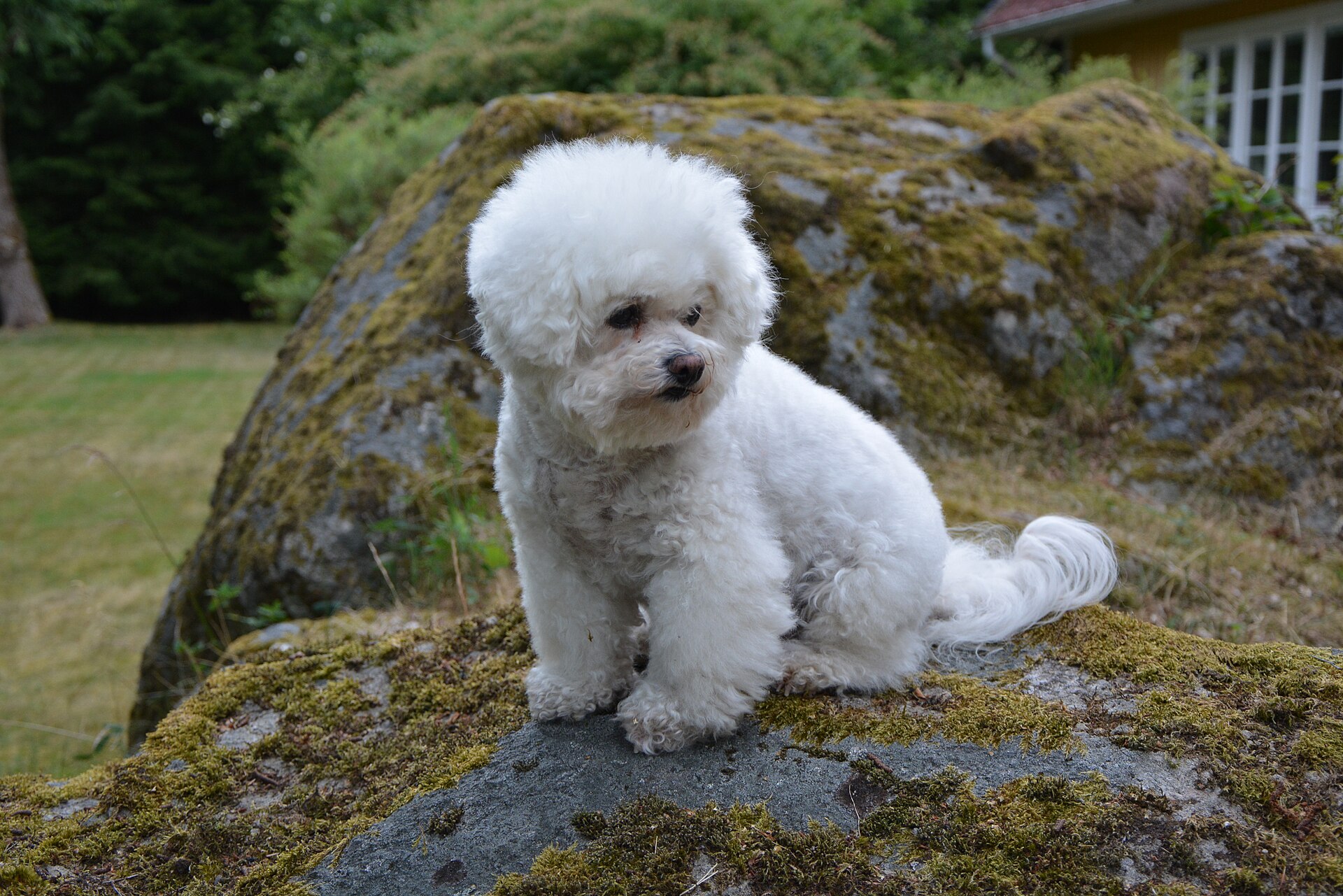
Bichon Frise
A cheerful little cotton ball with a curly double coat that sheds very little. Bichons are friendly, playful and well suited to apartments.
That coat mats easily, so regular brushing and grooming are non-negotiable.
Maltese
A tiny companion with a silky, single-layer coat. Maltese are affectionate lap dogs who do well with less outdoor exercise.
Many owners keep the coat short to make daily care easier.
Miniature Schnauzer
A sturdy, spirited small dog with a wiry coat and a distinguished beard. Schnauzers are alert, loyal and great for people who want a “big dog” personality in a compact body.
Expect some barking and regular trimming or hand-stripping.
Portuguese Water Dog
A medium-to-large, athletic dog with a wavy or curly coat. Originally bred to help fishermen, they love swimming, retrieving and staying busy.
Best for active households that can give them daily exercise and work.
Yorkshire Terrier
Yorkies have fine, hair-like coats that shed little. They’re bold, curious and portable.
They can be vocal and need gentle, consistent house training.
Soft Coated Wheaten Terrier
A happy, bouncy medium-size terrier with a silky, low-shedding coat. Wheatens are known for their exuberant greetings.
Their coat needs frequent brushing to stay tangle-free.
Lagotto Romagnolo
A medium-size Italian water dog with a dense, curly coat, traditionally used to hunt truffles. Lagottos are affectionate, clever and keen on scent games.
They need regular clipping and daily activity, ideally something that puts that famous nose to work. Hide-and-seek with treats is a favorite.
Shih Tzu and Havanese
Two affectionate small companions with long, low-shedding coats. Both tend to be adaptable and people-focused, which makes them popular with first-time owners.
Short haircuts keep maintenance manageable.
Hypoallergenic dog breeds compared
| Breed | Size | Coat | Grooming needs | Energy |
|---|---|---|---|---|
| Poodle | Toy to large | Tight curls | High, professional | Moderate to high |
| Bichon Frise | Small | Curly double coat | High | Moderate |
| Maltese | Toy | Silky single coat | Moderate to high | Low to moderate |
| Miniature Schnauzer | Small | Wiry | Moderate (trims) | Moderate |
| Portuguese Water Dog | Medium to large | Wavy or curly | High | High |
| Yorkshire Terrier | Toy | Fine, hair-like | Moderate | Moderate |
| Soft Coated Wheaten | Medium | Silky, wavy | High | Moderate to high |
| Havanese | Small | Long, soft | Moderate to high | Moderate |
What about “doodles” and other mixes?
Labradoodles, Goldendoodles and similar crosses are often sold as hypoallergenic. Some do inherit a low-shedding Poodle coat. Others end up with a shedding retriever coat, or something in between.
Because mixes don’t breed true, you can’t be sure what coat a puppy will grow into. If allergies are a key concern, meet adult dogs from the same breeder or choose an adult dog whose coat you can see and touch.
Be wary of anyone who guarantees an allergy-free puppy. That’s a promise no breeder can keep.
Hypoallergenic dog myths to drop
A lot of confident claims float around online. Here are the ones that cause the most disappointment.
- “Hair, not fur, means no allergies.” Dogs with “hair” coats shed less, but they still have dander and saliva. The label describes shedding, not allergen production.
- “This breed is certified hypoallergenic.” There’s no official certification. Breed lists are a general guide, not a medical guarantee.
- “Puppies don’t trigger allergies.” Puppies can produce allergens too, and their coats change as they grow. Your reaction to a puppy may not match your reaction to the adult dog.
- “If I’m fine with one Poodle, I’ll be fine with all Poodles.” Individual dogs vary. Meet each dog you’re considering.
- “Short hair means fewer allergens.” Many short-coated breeds shed constantly. A short coat isn’t the same as a low-shedding coat.
None of this is meant to scare you off. It’s meant to set realistic expectations, so the dog you bring home is a dog you can keep.
How to test before you commit
Returning a dog because of allergies is heartbreaking for everyone. A little homework up front helps you avoid that.
- See an allergist. Testing can confirm what you react to and how strongly, and your doctor can discuss treatment options.
- Spend real time with the breed. Visit friends, breeders or meet-and-greets for an hour or more, not five minutes.
- Meet the specific dog. Since individuals vary, the dog you’d actually adopt matters most.
- Try fostering. Many rescues welcome short-term fosters. A few weeks at home is the most realistic test.
- Bring something home. Some people take home a towel rubbed on the dog to see how they react over a day or two.
Living comfortably with a dog when you have allergies
Even with a low-shedding breed, a few household habits go a long way toward reducing allergens.
- Make the bedroom a dog-free zone. You spend hours there every night, so keeping it clear helps a lot.
- Use a HEPA air purifier in the rooms where you and your dog spend the most time.
- Vacuum often with a vacuum that has a sealed HEPA filter, and choose washable throws for the couch.
- Wash dog beds and blankets weekly in hot water.
- Keep up with grooming. Regular baths and brushing (ideally done by a non-allergic family member or a groomer) reduce dander in the coat.
- Wash your hands after petting and before touching your face.
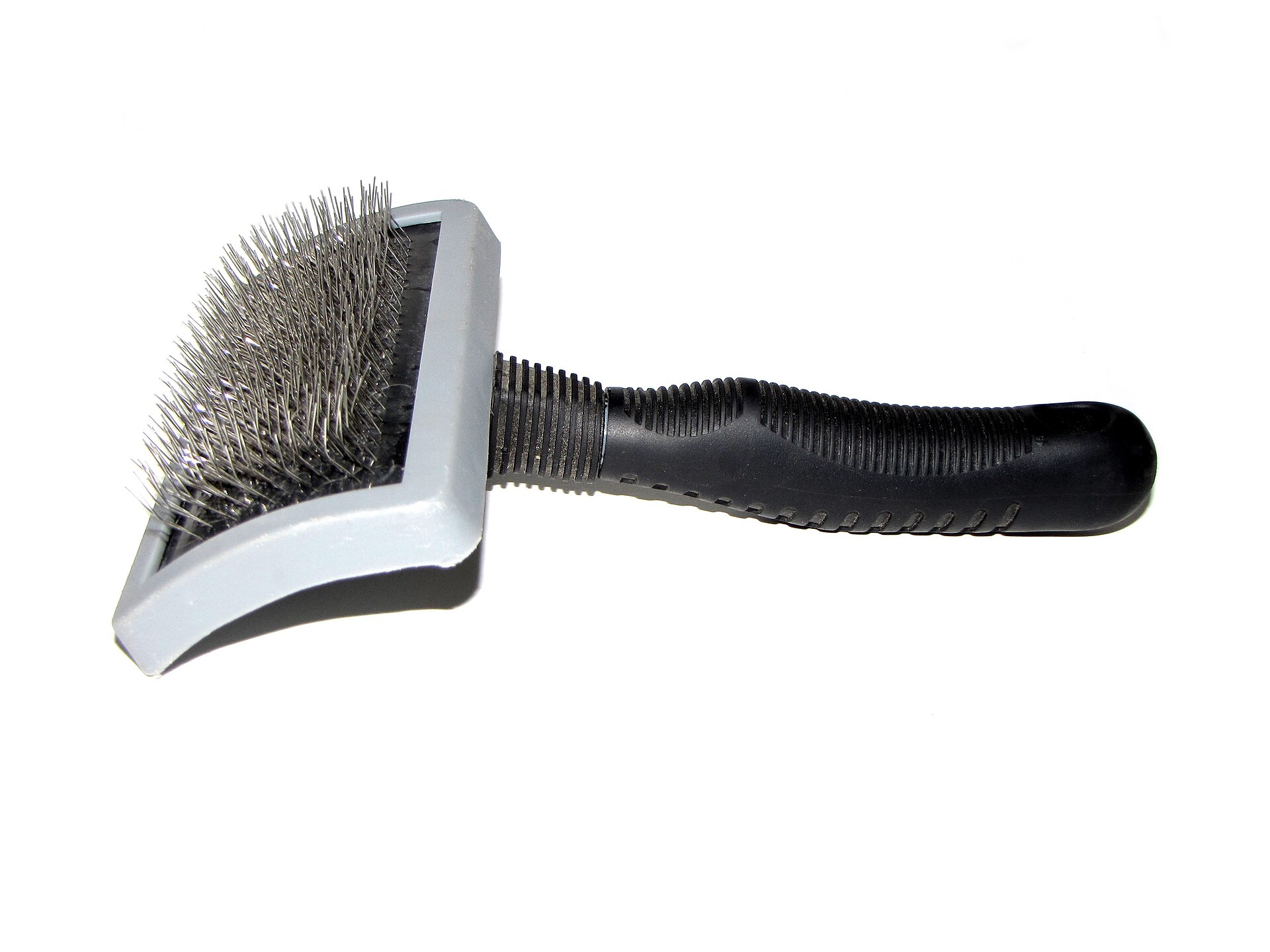
Looking for gear that makes grooming and cleanup easier? Our list of gifts for dog lovers includes practical ideas for grooming and home care.
If you’re also weighing apartment life, smaller low-shedding breeds pair well with tight spaces. See our guides to the best pets for apartments and the best small dog breeds for every lifestyle. And if this is your very first dog, start with the best dog breeds for first-time owners.
FAQ
Is any dog breed 100% hypoallergenic?
No. All dogs produce allergens in their dander, saliva and urine. Low-shedding breeds may simply spread less of it around your home.
Are hairless dogs better for allergies?
Hairless breeds still have skin and saliva, so they still produce allergens. Some people react less to them, others don’t notice a difference.
Do small dogs cause fewer allergy symptoms?
Often, yes, because a smaller dog has less skin and produces less saliva overall. But coat type and the individual dog matter just as much.
Can you build a tolerance to your own dog?
Some people say their symptoms ease over time, but that isn’t guaranteed, and symptoms can also get worse. Don’t count on it. Talk to an allergist about options such as medication or allergy shots.
Allergies don’t have to mean a dog-free life, but they do mean choosing carefully. Pick a low-shedding breed, meet the actual dog, test your reaction, and set up your home to keep allergens down. That’s how sniffles turn into snuggles.