You’ve been scrolling adoption listings at midnight, you’ve named a dog you haven’t met, and you’ve already picked out a leash color. Before you fall for the first fluffy face, it helps to know which are the best dog breeds for first time owners, and which ones are better saved for later.
Your first dog teaches you everything: house training, leash manners, vet visits, and how much a 40-pound animal can love a tennis ball. A forgiving, people-loving breed makes that learning curve feel like an adventure instead of a crisis.
This guide walks you through beginner-friendly breeds, the ones that are wonderful but demanding, and how to match a dog to the life you actually live, not the one you plan to live “once things calm down.”
What makes a dog breed good for first-time owners?
“Easy” doesn’t mean lazy or boring. It means the dog forgives your mistakes, wants to work with you, and doesn’t need a professional-level skill set to stay happy.
When trainers and breeders talk about beginner dogs, they usually point to the same handful of traits:
- Eager to please. Dogs bred to work alongside people tend to look to you for direction, which makes training smoother.
- Social and friendly. A dog that likes strangers, kids and other dogs is easier to take to the vet, the groomer and the park.
- Moderate energy. Enough to enjoy walks and play, not so much that a missed run turns your couch into confetti.
- Resilient temperament. Some dogs shrug off a loud noise or a training slip-up. Others hold onto it. You want a shrugger.
- Manageable grooming. A coat you can maintain with a weekly brush or a regular groomer appointment you can actually afford.
- A size you can handle. If the dog pulls, can you hold the leash? If it gets hurt, can you lift it into the car?
Keep in mind that breed is a tendency, not a guarantee. Two Labradors from different lines can be wildly different. Use breed as a starting point, then meet the actual dog.
The best dog breeds for first time owners
These breeds show up on beginner lists again and again for good reason. Each one still needs training, exercise and time, but they meet you halfway.
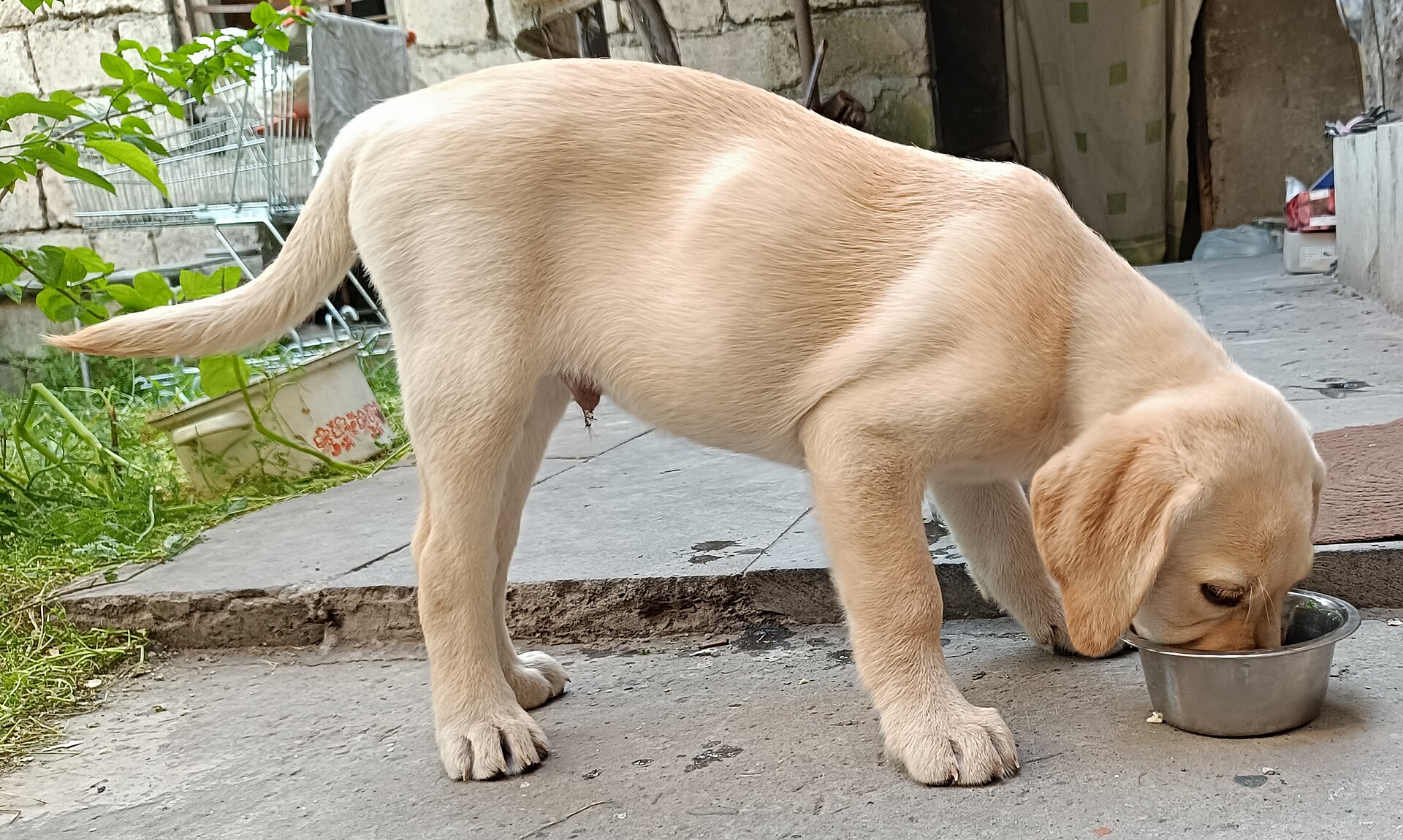
1. Labrador Retriever
Labs are friendly, food-motivated and famously trainable, which is a dream combination for a new owner. They get along with most people and most dogs.
The catch: Lab puppies are big, bouncy and mouthy for a long stretch. Budget for daily exercise, a sturdy chew-toy supply and a lot of patience during adolescence.
2. Golden Retriever
Goldens share the Lab’s sunny attitude with a slightly softer, more sensitive streak. They respond beautifully to gentle, reward-based training.
Expect serious shedding and a dog that wants to be wherever you are. If you love a shadow, that’s a feature, not a bug.
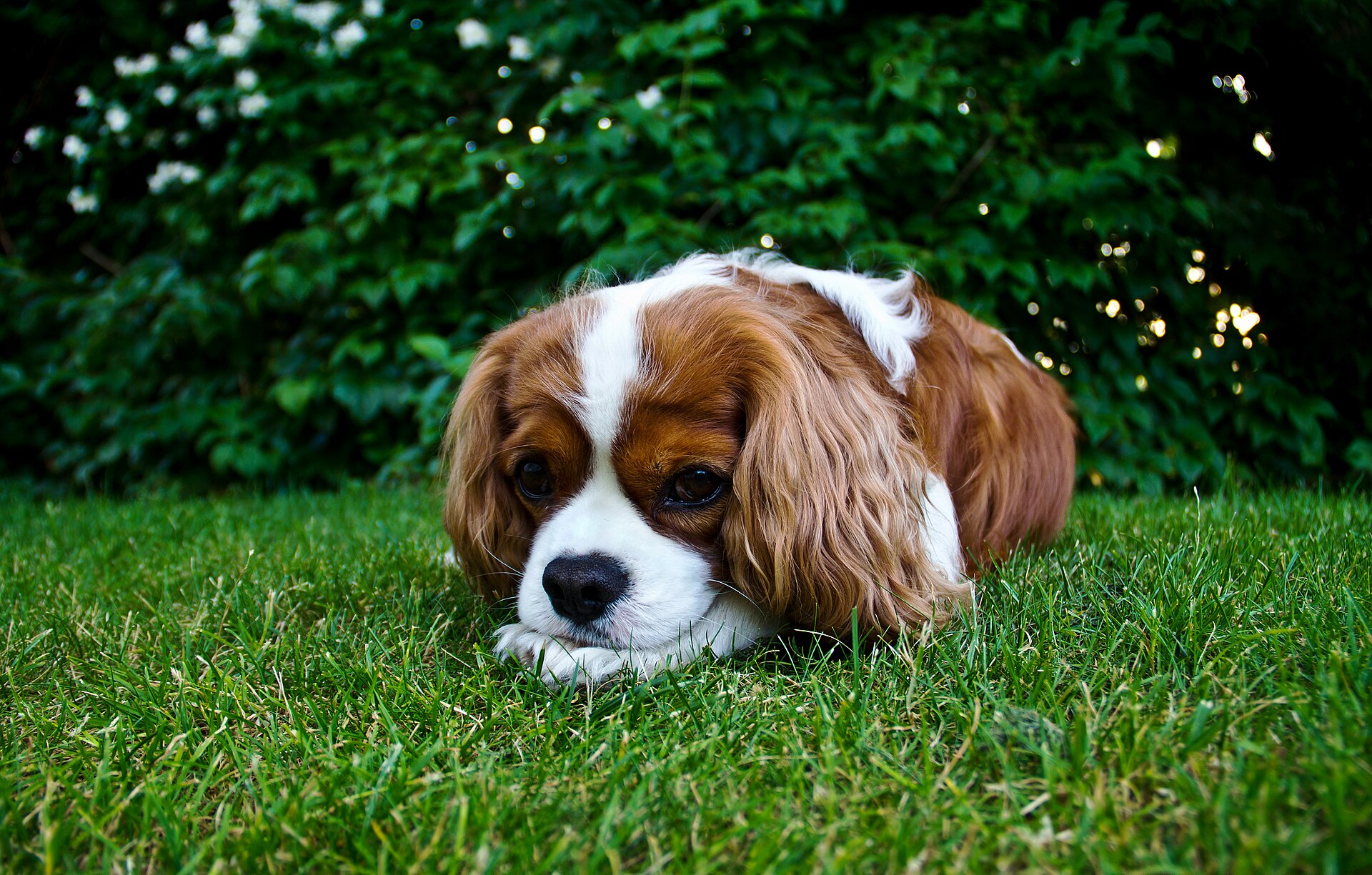
3. Cavalier King Charles Spaniel
Cavaliers are affectionate lap dogs that still enjoy a stroll. They adapt well to apartments and quieter households, and they rarely meet a person they don’t like.
The breed is known for certain inherited health concerns, especially heart issues. Ask breeders about health testing, and talk to your veterinarian about a screening plan.
4. Poodle (Toy, Miniature or Standard)
Poodles are sharp, athletic and highly trainable, and they come in three sizes, so you can pick the one that fits your space. Their low-shedding coat is a bonus for tidy homes.
That coat needs regular professional grooming, and that smart brain needs a job. Short training games and puzzle toys keep a Poodle from inventing its own entertainment. If allergies are part of your decision, read our guide to low-shedding dog breeds and what “hypoallergenic” really means.
5. Bichon Frise
Cheerful, compact and playful, the Bichon fits easily into apartment life. Most are friendly with visitors and other pets.
House training can take a little longer with small breeds, so stay consistent. Like the Poodle, the Bichon’s coat needs regular grooming to avoid mats.
6. Boston Terrier
Bostons are funny, compact and people-focused, with short coats that are easy to care for. They tend to be moderate in energy: playful bursts, then a long nap.
Their short muzzles make them sensitive to heat and hard exercise. Plan walks for cooler parts of the day in summer.
7. Shih Tzu
Bred as companions, Shih Tzus are happiest on the sofa next to you. They need modest exercise and are usually calm indoors.
Keep the coat in a short “puppy cut” if you don’t want daily brushing. Be gentle and patient with house training.
8. Greyhound (retired racer)
This one surprises people. Many retired Greyhounds are quiet, gentle “couch potatoes” who are happy with a couple of walks and a soft bed.
They have a strong chase instinct, so they need a secure leash and a fenced area. Greyhound adoption groups often match you with a dog whose temperament they already know.
9. An adult mixed-breed rescue
Honestly, this might be the best first dog of all. An adult dog’s personality is already visible, many are house-trained, and a good shelter or foster will tell you how the dog behaves with kids, cats and strangers.
Ask the foster family specific questions: How does the dog handle being alone? What happens at the door when the doorbell rings? Is it calm on leash? Real answers beat any breed description.
Beginner-friendly breeds at a glance
| Breed | Size | Energy | Grooming | Best for |
|---|---|---|---|---|
| Labrador Retriever | Large | High | Moderate (sheds) | Active people and families |
| Golden Retriever | Large | Moderate to high | Moderate (heavy shedding) | Families who want a velcro dog |
| Cavalier King Charles Spaniel | Small | Low to moderate | Moderate | Apartments, quieter homes |
| Poodle | Toy to large | Moderate to high | High (professional) | Allergy-conscious, training fans |
| Bichon Frise | Small | Moderate | High | City dwellers, social homes |
| Boston Terrier | Small | Moderate | Low | Busy people with a sense of humor |
| Shih Tzu | Small | Low | High unless kept short | Homebodies, seniors |
| Retired Greyhound | Large | Low indoors | Low | Calm adults, quiet homes |
The breeds to wait on (for now)
None of these are “bad” dogs. They’re amazing in the right hands. They were simply bred for demanding jobs, and they need owners who can give them structure, outlets and experienced training.
- Border Collie and Australian Shepherd. Brilliant herding dogs that need hours of physical and mental work. Bored, they’ll herd your kids, your cat or your car tires.
- Siberian Husky. Bred to run long distances. Expect escape attempts, dramatic “talking” and an independent attitude toward recall.
- Belgian Malinois. An intense working breed used by police and military teams. Usually far too much dog for a casual household.
- Akita and Chow Chow. Loyal but aloof, often wary of strangers and other dogs. They need careful early socialization and a confident handler.
- Jack Russell Terrier. Tiny body, huge drive. Fast, clever and determined to dig, chase and investigate everything.
- Livestock guardian breeds (Great Pyrenees, Anatolian Shepherd). Independent thinkers bred to make decisions without humans. Often bark at night and roam if they can.
If your heart is set on one of these breeds, it’s not impossible. Work with an experienced breeder or rescue, budget for a professional trainer from day one, and be honest about the hours you can give.
How to match a dog to your real life
Picture an ordinary Tuesday. You wake up, go to work (or log in), run errands, and get home tired. Where does a dog fit in that day?
Answer these questions honestly before you choose:
- How many hours is the dog alone? Puppies can’t hold it all day. If you work long shifts, an adult dog or a dog walker is a must.
- What’s your space like? Small apartment, shared walls and elevators favor a smaller, quieter dog. Our guide to the best pets for apartment living covers the details.
- How active are you, really? Count last month’s walks, not the hikes you plan to take.
- What’s your budget? Include food, vet care, insurance or an emergency fund, grooming, training classes and boarding.
- Who else lives with you? Kids, roommates, a partner with allergies, a cat who rules the house.
Personality matters too. A homebody who loves quiet evenings will clash with a dog that needs a daily five-mile run. If you want a fun way to think through that match, try our piece on the best dog breed for your personality.
First-month tips for new dog owners
Even the easiest breed needs a strong start. A few habits in the first weeks save months of frustration later.
- Book a vet visit in the first week. Bring any records from the shelter or breeder and ask about vaccines, parasite prevention and spay/neuter timing.
- Set up a “home base.” A crate or gated area with a bed, water and a chew gives your dog a safe place to decompress.
- Keep routines boringly consistent. Same meal times, same potty spot, same bedtime. Predictability calms nervous dogs.
- Use reward-based training. Treats, praise and play work better than punishment and build trust faster.
- Enroll in a basic class. A good group class teaches you as much as it teaches the dog.
- Go slow with introductions. New people, dogs and places can wait until your dog feels settled.
Expect a little chaos. Many rescue groups describe an adjustment period of several weeks to a few months before a new dog’s true personality fully shows. Give it time before you decide it’s “not working.”
Want to treat yourself (or your new roommate) once things settle? Browse our gifts for dog lovers and their dogs for practical gear ideas.
FAQ
Is a puppy or an adult dog better for a first-time owner?
For most beginners, an adult dog is easier. You can see its energy level and temperament, and many are already house-trained. Puppies are a lot of work for their first year or more.
Are small dogs easier than big dogs?
Not automatically. Small dogs are easier to handle physically, but some are slower to house-train or more vocal. Temperament matters more than size. See our list of the best small dog breeds for every lifestyle if you’re leaning small.
What is the calmest dog breed for beginners?
Retired Greyhounds, Cavaliers and Shih Tzus are often described as calm indoors. Still, individual dogs vary, so meet the dog and ask about its daily behavior.
Can I get a Husky as my first dog?
You can, but go in with eyes open. Huskies need lots of exercise, secure fencing and patient training. If you’re very active and willing to hire a trainer, it can work.
Your first dog doesn’t need to be perfect. It needs to be a good fit for the person you are right now. Choose a forgiving breed or a well-known adult rescue, learn alongside them, and save the high-octane working breeds for the day you’re ready to give them the job they crave.