Small dogs get underestimated. People picture a shivering purse pup, then meet a Dachshund who digs like a bulldozer or a Papillon who learns tricks faster than their owner. The best small dog breeds pack a full-size personality into a body that fits on your lap.
The key is matching that personality to your life. A tiny couch potato and a tiny marathoner look similar in photos, but they make very different roommates.
Below, you’ll find small breeds sorted by lifestyle: city apartments, busy professionals, active adventurers, families, allergy-conscious homes and quiet retirees.
What counts as a small dog?
There’s no single official cutoff, but most people use “small” for dogs that weigh roughly under 25 pounds as adults. Within that range you’ll find toy breeds you can carry in one arm and sturdy little dogs built for real work.
Small dogs have some genuine perks:
- They fit into smaller homes, cars and travel carriers more easily.
- They usually eat less, and some supplies cost less.
- They’re easier to lift, handle and manage on a leash.
- Many small breeds tend to live longer than giant breeds.
And some real challenges: small dogs can be fragile around rough play, slower to house-train, and quick to bark. Good training and socialization matter just as much as with a big dog.
Best small dog breeds for apartment living
For shared walls and elevator rides, you want a dog that’s adaptable, not too vocal, and content with walks instead of a big yard.
Cavalier King Charles Spaniel
Gentle, sociable and happy with a couple of strolls a day. Cavaliers love people and rarely make enemies in the hallway. Ask breeders about heart health screening.
French Bulldog
Comical, low-key and generally quiet. Frenchies need little exercise, but their flat faces make them sensitive to heat and breathing problems, so talk to a vet about breed-specific care.
Havanese
Cheerful, adaptable and affectionate, the Havanese is happy in a studio or a house. They thrive on company and don’t love being alone for long stretches.
For more ideas on pets that suit small spaces, see our guide to the best pets for apartment living.
Best small dogs for active owners
Want a hiking buddy who still fits under an airplane seat? These breeds have stamina and drive in a compact package.
Miniature Schnauzer
Sturdy, alert and game for long walks. Schnauzers are smart and trainable, with a low-shedding wiry coat. They do like to announce visitors.
Jack Russell Terrier
A high-octane athlete with endless curiosity. Great for runners, agility fans and people who enjoy training. Not great for anyone hoping for a lap dog.
Papillon
Those butterfly ears hide a quick, eager brain. Papillons often shine in trick training and dog sports, and they’re light enough to travel easily.
Shetland Sheepdog
On the larger side of small, Shelties are sensitive, devoted herding dogs. They need daily exercise and mental work, and they shed seasonally.
Best small dogs for families with kids
With children in the house, look for a dog that’s sturdy rather than delicate and patient rather than easily startled. Very tiny toy breeds can be injured by enthusiastic little hands.
Beagle
Friendly, merry and built for play. Beagles love company and usually get along with kids and other dogs. Their noses lead them everywhere, so a secure leash and fence are musts.
Boston Terrier
Playful, sturdy and gentle with family. Bostons have easy-care coats and moderate energy, a nice balance for busy households.
Pembroke Welsh Corgi
Bold, clever and surprisingly athletic on those short legs. Corgis can try to herd children by nipping at heels, so early training is important. They shed a lot.
Best small dogs for allergy-conscious homes
No dog is completely allergen-free, but low-shedding coats may help some people. Options include:
- Toy or Miniature Poodle: bright, trainable and athletic, with regular professional grooming.
- Bichon Frise: playful and friendly, with a curly coat that needs frequent brushing.
- Maltese: a devoted lap dog with a silky coat.
- Yorkshire Terrier: bold and portable, with a fine, hair-like coat.
Before you choose, read our honest guide to low-shedding dog breeds and what “hypoallergenic” really means.
Best small dogs for calm homes and seniors
If your ideal day involves a morning walk, a good book and a warm lap, these breeds are on the same page.
- Shih Tzu: bred purely as a companion and content with gentle activity.
- Pug: sociable and easygoing, though, like other flat-faced breeds, sensitive to heat.
- Cavalier King Charles Spaniel: affectionate and adaptable to quiet routines.
- Maltese: light, gentle and happiest close to their person.
Consider an adult or senior dog here, too. Older small dogs are often already calm and house-trained, and they’re frequently overlooked at shelters.
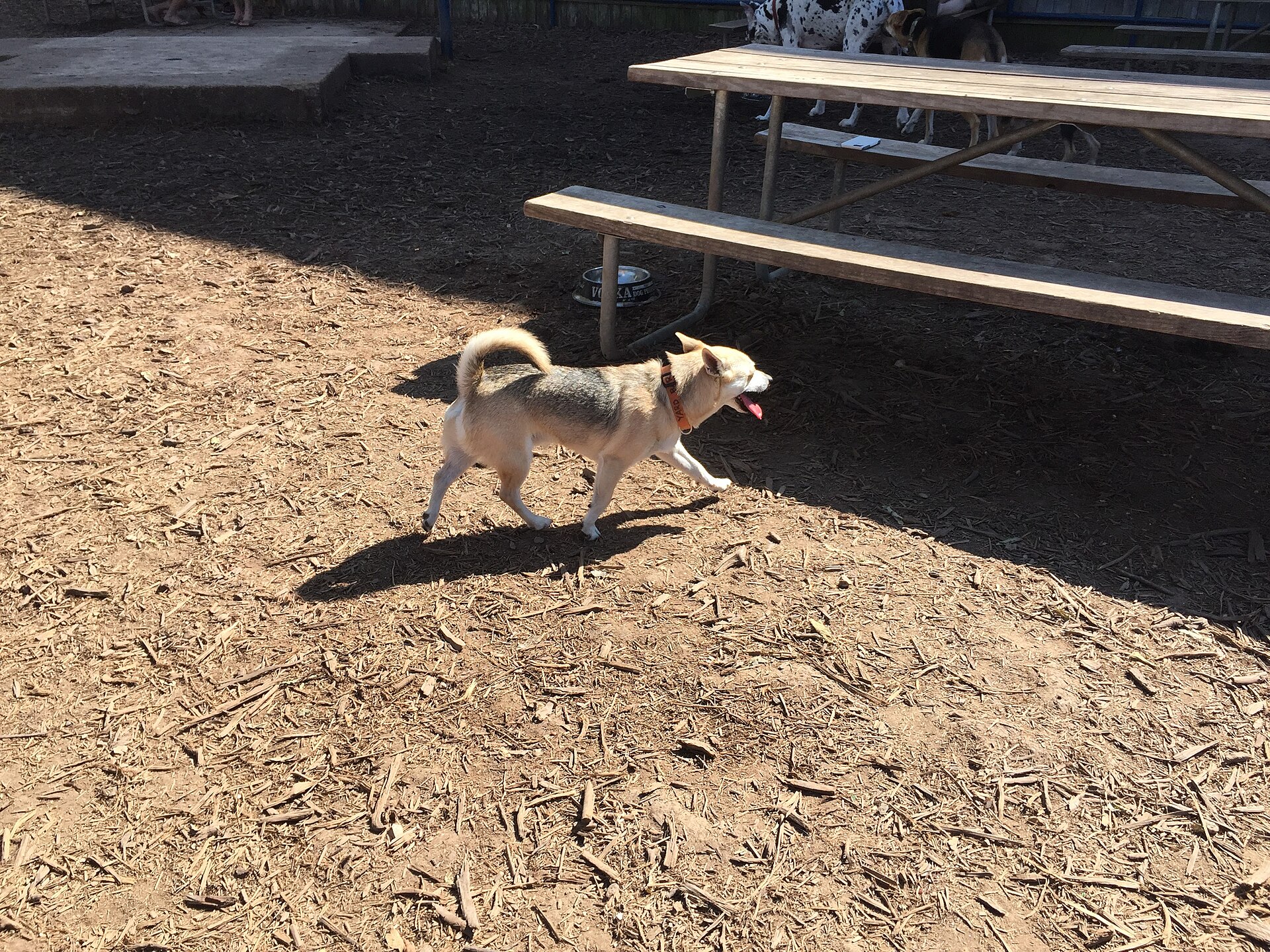
Big personalities in tiny bodies
Some small breeds are famous for acting like they’re three times their size. They’re wonderful companions for people who enjoy a dog with opinions.
Dachshund
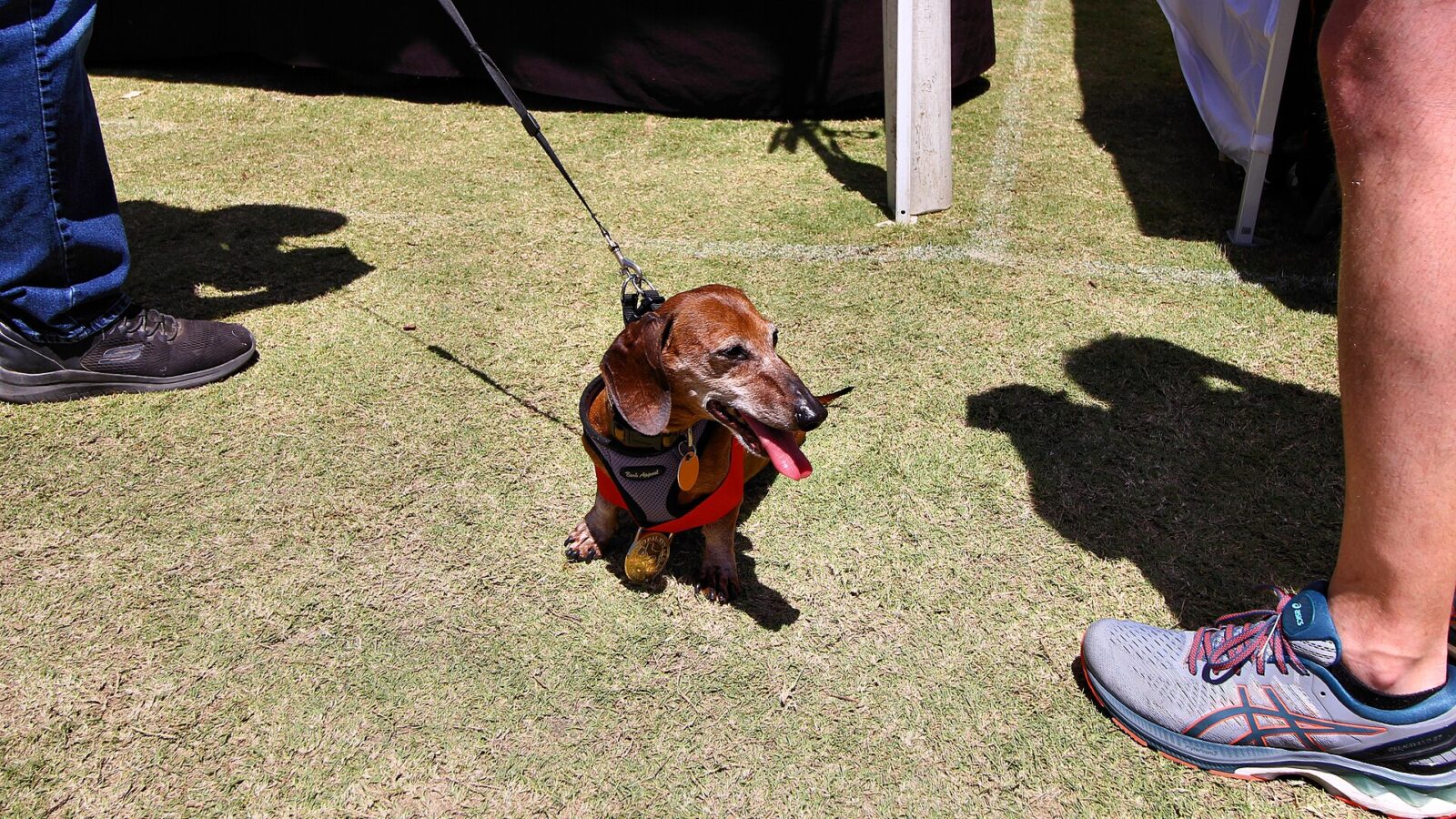
Originally bred to hunt badgers, Dachshunds are brave, stubborn and endlessly entertaining. They come in standard and miniature sizes and three coat types: smooth, wirehaired and longhaired.
Their long backs need protection. Keep them at a healthy weight, use ramps for furniture, and discourage leaping off the couch. Expect some digging and a big-dog bark.
Pomeranian
A fluffy, foxy-faced extrovert who loves attention. Poms are alert little watchdogs and quick learners, which makes them fun for trick training.
That thick double coat sheds, and their watchdog instincts can mean a lot of barking. Early training helps them stay friendly with guests.
Chihuahua
The tiniest of the bunch, often fiercely loyal to one person. Chihuahuas are portable, low-maintenance in grooming, and content with short walks.
They can be wary of strangers and easily hurt, so they suit adults and calm households best. Gentle socialization from a young age makes a big difference.
Questions to ask before you choose
Before you fall for a face on an adoption site, run through a quick reality check:
- How many hours a day will the dog be alone?
- Are there neighbors close enough to hear barking?
- Do you want a jogging partner or a nap partner?
- Can you budget for regular grooming if the coat needs it?
- Are there small kids, other dogs or cats in the home?
Your answers will narrow the list fast. A busy commuter in a thin-walled apartment, for example, will probably be happier with a mellow Cavalier than a Beagle who sings when bored.
Small dog breeds compared
| Breed | Energy | Barking | Shedding | Best lifestyle |
|---|---|---|---|---|
| Cavalier King Charles Spaniel | Low to moderate | Low | Moderate | Apartments, seniors |
| French Bulldog | Low | Low | Moderate | City living |
| Havanese | Moderate | Moderate | Low | Apartments, allergy-conscious |
| Miniature Schnauzer | Moderate to high | High | Low | Active owners |
| Jack Russell Terrier | Very high | Moderate to high | Moderate | Runners, dog sports |
| Papillon | Moderate to high | Moderate | Moderate | Trick training, travel |
| Beagle | High | High (howling) | Moderate | Families with a fenced yard |
| Boston Terrier | Moderate | Low | Low | Families, busy people |
| Toy/Mini Poodle | Moderate | Moderate | Low | Allergy-conscious, trainers |
| Shih Tzu | Low | Low to moderate | Low | Homebodies, seniors |
These are general breed tendencies. Individual dogs can be calmer, louder or busier than their breed’s reputation, so always meet the dog first.
Small dog care tips people forget
- Train them like a big dog. Jumping, pulling and growling get excused in small dogs. Don’t. Reward-based training keeps them confident and polite.
- Protect their backs and joints. Ramps or steps help long-backed breeds like Dachshunds and Corgis avoid jumping off high furniture.
- Use a harness. A well-fitted harness takes pressure off a small dog’s neck during walks.
- Stay on top of dental care. Small mouths can crowd teeth, so ask your vet about brushing and cleanings.
- Watch the treats. A few extra snacks add up fast in a ten-pound body.
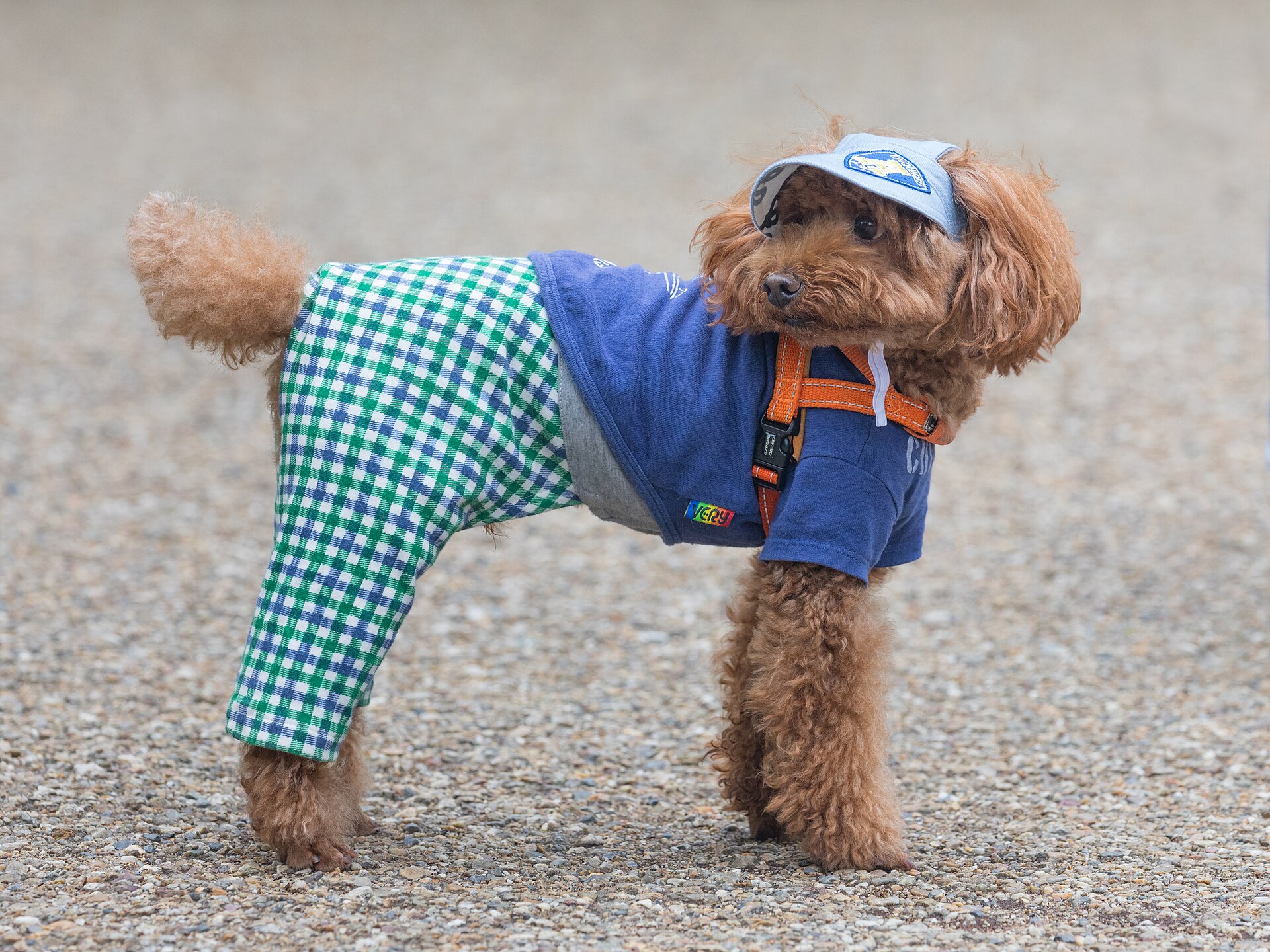
- Dress for the weather. Tiny or thin-coated dogs may need a sweater in cold months.
- Socialize early and often. Small dogs who meet lots of calm people, dogs and places as youngsters are less likely to become anxious barkers.
- Let them be dogs. Carrying a small dog everywhere is tempting, but walking, sniffing and exploring on their own four paws builds confidence.
Here’s a common scenario: a new owner scoops up their Yorkie every time a bigger dog approaches. The Yorkie learns that other dogs are scary and starts barking at all of them. A calmer approach, like stepping aside, letting the dog watch from a distance and rewarding quiet behavior, usually works much better.
Still deciding? Try matching a breed to your temperament with our guide to the best dog breed for your personality, or browse beginner-friendly breeds for first-time owners. Once your new buddy is home, our gifts for dog lovers list has plenty of small-dog-friendly gear.
FAQ
What is the calmest small dog breed?
Shih Tzus, Cavaliers and French Bulldogs are often described as calm indoors. Individual temperament varies, so adult dogs with known personalities are the safest bet.
Which small dog breeds bark the least?
Cavaliers, French Bulldogs and Boston Terriers tend to be quieter than many terriers and hounds. Training and enough exercise reduce barking in any breed.
Are small dogs good with children?
Sturdy small breeds like Beagles and Boston Terriers often do well with kids. Very tiny or fragile dogs are better suited to homes with older, gentle children. Always supervise interactions.
Do small dogs need less exercise?
Some do, but many small breeds, especially terriers and herding types, need daily walks and play just like bigger dogs. Energy level matters more than size.
Small dog, big life. Whether you want a hiking partner, a city sidekick or a velvet-eared lap warmer, there’s a compact breed built for you. Start with your lifestyle, meet a few dogs, and let the right one choose you back.