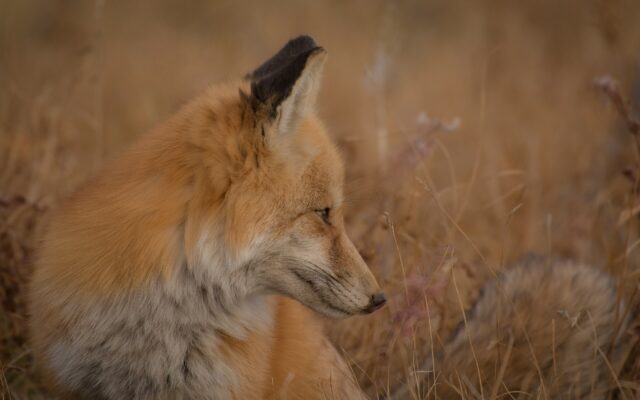
Your dog can’t say “I love you,” but they’re telling you all day long. The trick is learning their language. Once you know the signs your dog loves you, you’ll spot them everywhere: in the hallway greeting, the slow tail sweep, the warm weight leaning against your leg.
Some signals are obvious. Others are so quiet you’ve probably been missing them for years. A few that look like love are actually something else, like stress or a polite request for space.
Here are 15 of the clearest signals, what each one likely means, and how to answer back in a way your dog understands.
First, how to read dog body language
Before we decode individual signs, a quick rule: look at the whole dog. A wagging tail on a stiff, frozen body means something very different from a wag on a soft, wiggly one.
A dog who feels safe and affectionate around you usually shows:
- Soft eyes, often slightly squinty, rather than wide and staring
- A relaxed, slightly open mouth instead of a tight, closed one
- Ears in their natural position, not pinned flat
- A loose body that curves and wiggles rather than stiffens
- Easy, unhurried movement toward you
Keep this “relaxed baseline” in mind as you read the list below. Every sign is stronger when it comes with a calm body.
15 signs your dog loves you
1. They look into your eyes softly
Among dogs, a hard stare can be a challenge. So when your dog gazes at you with soft, relaxed eyes, that’s trust.
There’s science behind the warm feeling, too. A 2015 study led by Miho Nagasawa at Azabu University in Japan found that mutual gazing between dogs and their owners raised oxytocin levels, a hormone linked to bonding, in both species.
2. They throw a party when you come home
Whole-body wiggles, happy whines, the toy they grab on the way to the door. Your dog is genuinely excited to see you again.
Want to reward the love without encouraging jumping? Greet calmly, crouch to their level, and give attention once four paws are on the floor.
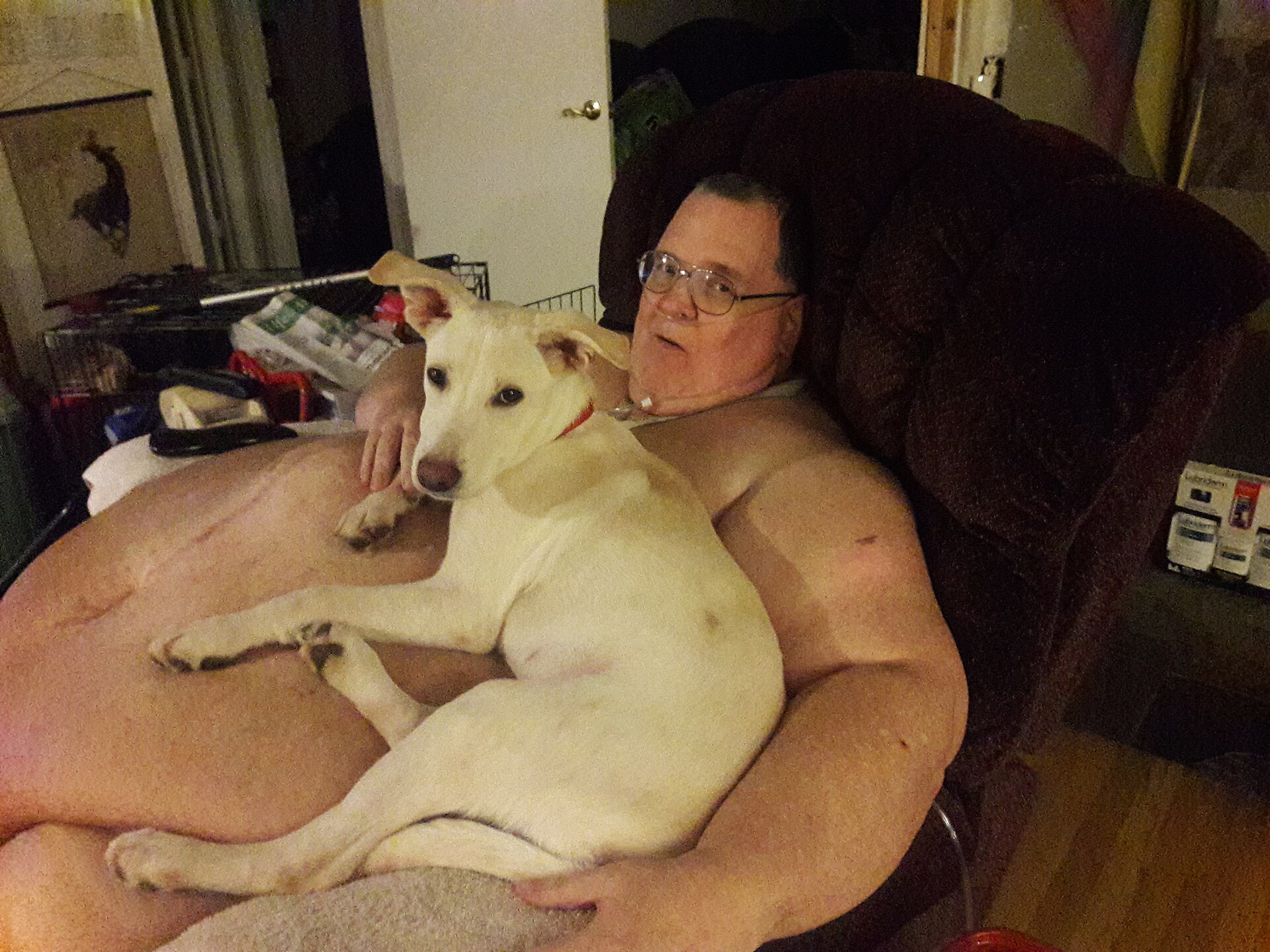
3. They lean their weight against you
A big dog leaning into your legs is a full-body hug. It’s a way of staying physically connected and feeling secure.
If the leaning comes with trembling or happens mostly around new people, though, your dog may be seeking reassurance because they’re nervous.
4. They follow you from room to room
Bathroom, kitchen, laundry room: your shadow is never far. Dogs are social animals, and you’re their favorite social partner.
Mild following is sweet. If your dog panics whenever you leave, talk to your vet or a qualified trainer about separation-related stress.
5. They sleep close to you
Sleep is when an animal is most vulnerable. Choosing to sleep beside you, at your feet, or pressed against your back shows deep trust.
6. They bring you their toys
Dropping a slobbery toy in your lap is an invitation to play, and play is one of the ways dogs bond. Sometimes it’s simply sharing something they value.
Say yes when you can, even for two minutes. A short game of tug or fetch means a lot to them.
7. Their tail wags loose and low-to-mid height
A wide, sweeping wag, sometimes with the whole back end swinging along, usually means happy and relaxed. The “helicopter” wag is often reserved for favorite people.
A high, stiff, fast-flicking tail is different. It can signal arousal or tension, so check the rest of the body.
8. They show you their belly
Rolling over in a loose, wiggly way says “I feel safe with you.” Many dogs also hope for a belly rub.
Not every belly-up is a rub request. A stiff roll with a tucked tail and averted eyes can be appeasement. If your dog freezes when you touch, give them space.
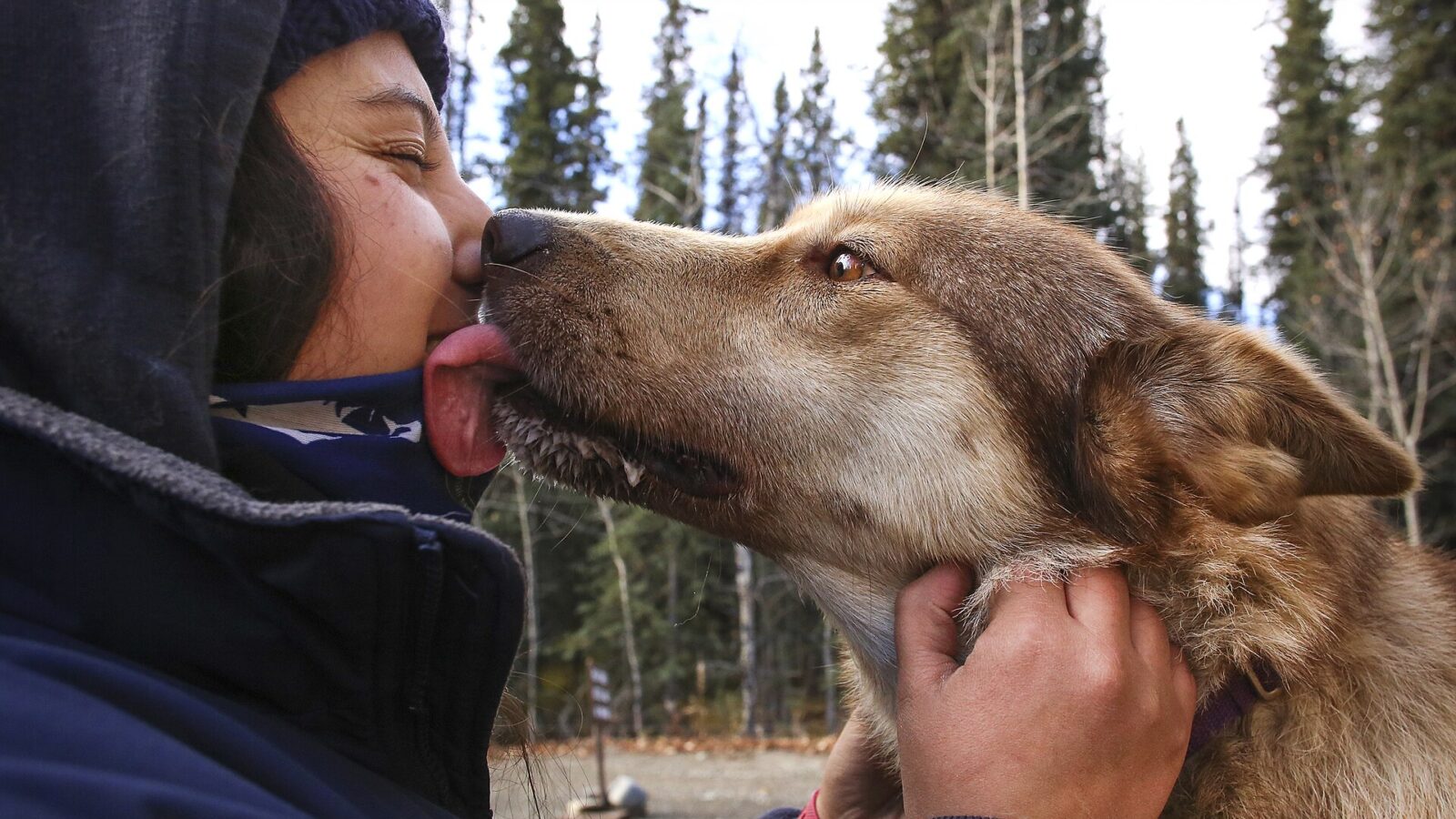
9. They give you gentle licks
Puppies lick their mothers, and many adult dogs keep licking the people they’re bonded with. A quick lick on the hand or face is often affection or a greeting.
Constant, frantic licking is worth noticing, especially if your dog seems anxious. It can be a self-soothing behavior.
10. They snuggle with your stuff
Find your dog curled up on your hoodie or nesting in your laundry? Your scent is comforting. When you’re gone, your belongings are the next best thing.
11. They check in with you on walks
A quick glance back, a pause to see where you are, a trot back to your side. That’s your dog keeping you in their world, even with a hundred smells competing for attention.
Reward check-ins with praise or a treat. You’ll get more of them, and better recall too.
12. They raise their eyebrows at you
That soulful “puppy dog eyes” look, inner eyebrows lifted, is aimed squarely at humans. Many dogs use it most with the people they’re attached to.
13. They relax when you’re around
This one is easy to overlook. A dog who sprawls out, sighs deeply, and dozes while you work is a dog who feels safe.
Calm contentment is love, too. It just doesn’t make for exciting videos.
14. They come to you when they’re scared
Thunderstorm, fireworks, a strange noise in the night. If your dog runs to you, you’re their safe place.
It’s fine to comfort a frightened dog. Calm, steady reassurance helps; you won’t “reward the fear.”
15. They respond to your voice
Ears perk up, head tilts, tail starts going when you say their name. Your voice clearly means something good.
Keep it that way by not using their name only for scolding. Pair it with treats, walks and affection.
Love signal or something else? A quick decoder
Some behaviors can mean affection in one context and stress in another. Use this table as a starting point.
| Behavior | Usually affection when… | Could be stress when… |
|---|---|---|
| Licking | Brief, relaxed, during greetings or cuddles | Constant, frantic, or lip-licking with a tense face |
| Tail wagging | Loose, sweeping, whole-body wiggle | High, stiff, fast with a frozen body |
| Belly up | Loose, wiggly, seeks your hand | Stiff, tail tucked, eyes turned away |
| Yawning | Sleepy, end of the day, stretching | In new places, at the vet, when hugged |
| Following you | Calm, settles when you settle | Panicky, can’t settle, distress when you leave |
| Leaning | Relaxed, at home, with familiar people | Trembling, ears back, around strangers |
Why every dog says “I love you” differently
If your dog doesn’t do half the things on this list, don’t worry. Affection shows up differently depending on a few things:
- Breed tendencies. Retrievers and companion breeds are often openly cuddly. Many hounds, terriers and spitz-type dogs are more independent and show love through closeness rather than contact.
- History. A rescue with a rough past may take time to trust touch, eye contact or sleeping near people.
- Age. Puppies show love with chaos and play. Seniors often show it by quietly choosing your side of the couch.
- Personality. Just like people, some dogs are huggers and some prefer a respectful nod from across the room.
Picture two dogs on a Sunday afternoon. One drapes herself across your lap and demands belly rubs. The other lies in the doorway, one ear tracking your every move. Both are saying the same thing.
The best approach is to learn your own dog’s dialect. Notice what they do when they’re happiest, and you’ll have your personal list of love signals.
How to show your dog you love them back
Dogs don’t care about grand gestures. They care about consistency, attention and doing things together. Try these:
- Sniff walks. Let your dog set the pace and explore smells. It’s enriching and deeply satisfying for them.
- Short training games. Five minutes of tricks with treats builds communication and confidence.
- Predictable routines. Regular meals, walks and bedtimes help your dog feel secure.
- Gentle touch they choose. Pet, pause, and see if they lean in for more. Let them decide.
- Soft eye contact and a calm voice. You’re speaking their language back.
- Regular vet care. Love includes checkups, dental care and paying attention when something seems off.
Every dog shows affection in their own style. A Lab might flatten you at the door, while a Shiba Inu might simply choose to sit in the same room. If you’re curious how temperament shapes those differences, our guide to dog breeds by personality is a fun next read.
Thinking about bringing home a new companion? Start with the best dog breeds for first-time owners. And if you speak “cat” too, see how feline affection differs in our breakdown of cat personality types.
Humans express love in different ways as well. If you’ve ever wondered how that plays out between partners, the five love languages offer a surprisingly similar lens: some show it through touch, others through time together.
FAQ
Do dogs have a favorite person?
Many do. Dogs often bond most strongly with the person who feeds, walks, plays with and trains them most consistently. That said, plenty of dogs love the whole family in different ways.
Why does my dog lick me so much?
Licking can be affection, a greeting, attention-seeking, or interest in the salt on your skin. If it seems compulsive or comes with other anxious signs, check with your veterinarian.
My dog isn’t cuddly. Does that mean they don’t love me?
Not at all. Some dogs prefer being near you over being touched. Following you, checking in, relaxing in your presence and playing with you all count as love.
How long does it take a rescue dog to bond with you?
It varies widely. Some rescues attach within days; others need weeks or months to trust. Patience, routine and gentle positive experiences speed things along.
The next time your dog sighs and flops down at your feet, take it as the compliment it is. You don’t need a translator. You just need to notice, and maybe toss the slobbery toy one more time.